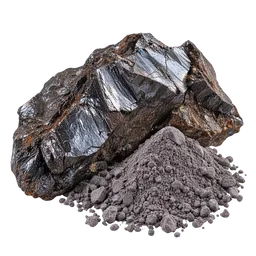
Manganese
What the trials found
Manganese does not appear to deliver meaningful benefits for mood, blood sugar, or heart health; human evidence is too limited to support manganese supplementation for these outcomes.
- 2 papers
- 0 of 4 outcomes
Risk, worst reported severity
- gastrointestinal discomfort (dyspepsia, flatulence, reflux esophagitis, appetite loss) mild
- skin irritation mild
Dose, timing & forms
How much
The reviewed evidence does not establish an effective manganese supplement dose for mood, glucose control, or cardiovascular health. Instead of chasing a study-style protocol, start with the fact that adults generally need only small daily amounts from food, and higher-dose supplementation lacks a clearly demonstrated consumer benefit in the evidence reviewed here.1
When and how long
No tested timing routine stands out for the outcomes reviewed here. Because manganese is a nutrient rather than an occasional performance supplement, food intake matters more than picking a specific hour, and a clinician should guide any regular supplement use.1
Forms & standardisation
The evidence does not identify a best supplemental form for the outcomes reviewed here. Labels often list forms such as manganese gluconate, sulfate, or amino acid chelates, but form names do not prove better absorption or better real-world results for mood, glucose, or heart health.1 Check the label for the amount of elemental manganese, not only the total weight of the compound.
Adverse events and drug interactions
Safety events
What this is and how it works
- No pooled quantitative effect estimate establishes a meaningful benefit across mood, blood sugar, or heart-health outcomes.1
- Two papers reviewed here span four outcomes, covering multiple possible uses without establishing a specific supplementation benefit.
- Manganese is essential from food, but evidence does not show that higher supplemental intake improves these outcomes.1
Manganese is a trace mineral, which means your body needs small amounts rather than large doses. You get it mainly through foods like whole grains, nuts, legumes, and leafy vegetables, then your body uses it as a helper for several enzymes.1
Manganese acts like the small tool that lets a factory machine run: it helps enzymes convert nutrients into usable energy and build components of bone and connective tissue.1 It also helps power manganese superoxide dismutase, an enzyme that neutralizes reactive oxygen molecules inside cell energy centers before they damage nearby machinery.1
Bottom line
Manganese makes sense as a nutrient to get from a varied diet, not as a go-to supplement for mood, blood sugar, or heart health. The reviewed human evidence is too thin to support a specific use, and more is not better with a trace mineral. If you are considering regular supplementation, especially at doses above food-level intake, talk with a clinician first.1
Common questions
What does manganese do in the body?
Does manganese improve mood or depression?
Should you take a manganese supplement every day?
What form of manganese is best?
Sources
Sources
Generated August 27, 2026