Methylxanthine
What the trials found
Methylxanthine (unspecified) does not establish cardiovascular benefits, and the unspecified compound prevents reliable conclusions about dose, form, effectiveness, or safety.
- 1 papers
- 0 of 3 outcomes
Risk, worst reported severity
- dry mouth mild
- tremor mild
- tacrolimus moderate
- cyclosporine moderate
Dose, timing & forms
How much
There is no responsible general dose for an unspecified methylxanthine. The reviewed cardiovascular evidence is limited to one paper, and the ingredient name does not identify the actual compound, concentration, or preparation. Use a product with a clearly named active ingredient before considering any trial-based protocol.
When and how long
No evidence-based timing plan exists for unspecified methylxanthine. Timing can differ sharply across caffeine-like compounds, especially because stimulating products can disrupt sleep when taken later in the day.1 Do not treat this as an occasional pre-workout or daily cardiovascular supplement until the exact ingredient and dose are clear.
Forms & standardisation
Skip labels that list only “methylxanthine” without naming the compound and amount per serving. Look for an identifiable ingredient, such as caffeine, theobromine, or theophylline, plus clear standardization when the source is a botanical extract. Different family members engage adenosine signaling differently, so the family label alone is not a meaningful form specification.1
Adverse events and drug interactions
Safety events
Drug interactions
What this is and how it works
- Available evidence does not provide a quantified cardiovascular effect or demonstrate a noticeable benefit 1.
- One paper reviewed here spans three outcomes but does not identify a specific methylxanthine compound.
- Compound identity, dose, stimulant sensitivity, and prescription-drug interactions remain important unresolved considerations.
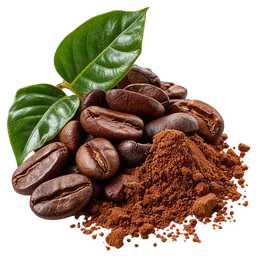
Methylxanthines are naturally occurring compounds found in sources such as coffee, tea, cacao, and some medicinal plants. Caffeine, theophylline, and theobromine belong to this family, but they are not interchangeable.1 An unspecified methylxanthine product leaves the key question unanswered: which compound are you actually taking?
Many methylxanthines block adenosine signaling, the body’s “slow down” message, which can increase alertness and alter blood-vessel and heart-related signaling.1 At higher exposures, some also affect enzymes that control chemical messengers inside cells, but the effect depends heavily on the specific compound.1
Bottom line
This is not a supplement category to buy blind. The cardiovascular evidence is far too thin to support a benefit, and “unspecified” prevents meaningful dose or form guidance. Avoid it if the label does not clearly identify the exact methylxanthine, particularly if you are sensitive to stimulants or use prescription medicines.
Common questions
What is methylxanthine?
Does methylxanthine support cardiovascular health?
Is unspecified methylxanthine a good supplement choice?
Sources
Sources
Generated August 27, 2026