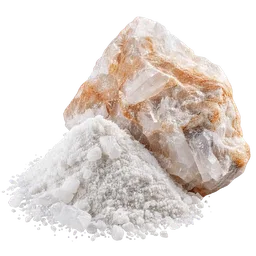
Mineral
What the trials found
Unspecified mineral supplements do not support a reliable benefit across health outcomes because ingredient identity and dosing are absent from the available evidence.
- 2 papers
- 0 of 11 outcomes
Risk, worst reported severity
- poor tolerance leading to withdrawal
- flatulence
Dose, timing & forms
How much
No responsible dose range can be given for an unspecified mineral. The available summary does not identify the mineral, its elemental amount, formulation, participant group, or trial protocol, and those details change dosing decisions substantially. Use a product only when its Supplement Facts panel clearly identifies the mineral and amount.
When and how long
No evidence-based timing routine can be drawn from the available information. Timing, food instructions, and dose splitting depend on the specific mineral and its formulation, so follow the product label rather than treating all mineral supplements alike.1
Forms & standardisation
Look for a label that names the exact mineral, its compound form, and the amount per serving. “Mineral blend” or similarly vague wording does not tell you enough to compare a product with clinical research or assess whether it suits your needs.1
Adverse events and drug interactions
Safety events
What this is and how it works
- No pooled effect estimate is available for unspecified mineral supplements in the reviewed evidence.1
- Two papers reviewed here span 11 outcomes without identifying a specific mineral or usable dosing protocol.
- Reported digestive tolerance concerns further limit confidence in choosing an unspecified mineral product.
Minerals are nutrients your body uses for jobs such as building tissues, carrying electrical signals, and managing fluids. But calcium, magnesium, iron, zinc, potassium, and other minerals work differently, so an unnamed mineral product does not provide enough detail for a meaningful recommendation.1
No specific mineral appears in the available evidence, so no single biological mechanism applies. Each mineral fills a different role in the body, much like different tools in a toolbox, and the exact mineral and chemical form determine what job it can do.1
Bottom line
Skip an unspecified mineral supplement until you know exactly what mineral it contains and how much. The limited evidence summary offers no identified ingredient or usable dosing protocol, while digestive tolerance problems appear among the reported safety concerns. A pharmacist or clinician can help you choose a specific product when you have a documented need, dietary gap, or relevant medical condition.
Common questions
Can I take an unspecified mineral supplement?
Why does the form of a mineral matter?
Should I take a mineral supplement with food?
Sources
Sources
Generated August 27, 2026