Nori
What the trials found
Nori does not have enough human outcome evidence to establish meaningful benefits for any specific health target, despite its nutritional value as an iodine-containing sea vegetable.
- 1 papers
- 0 of 3 outcomes
Dose, timing & forms
How much
No well-established clinical dose range supports nori for a specific consumer health goal. The human evidence is too limited to turn nori into a reliable protocol for reproductive health, blood markers, or inflammation. Treat it as a food first, and use the serving guidance on the product label rather than chasing a research-style dose.
When and how long
No trial-tested time of day, meal pairing, or split-dose schedule stands out for nori. If you use nori as food, fit it into meals in the way you enjoy most. Consistency matters more than clock time when you are simply adding a food to your diet.
Forms & standardisation
Roasted sheets, flakes, and powders are food forms, not interchangeable standardized extracts. Look for a label that states the seaweed species and, when available, iodine per serving, since iodine levels vary across seaweed products.1 Avoid assuming that a darker color, organic label, or powdered form signals a more predictable nutrient dose.
What this is and how it works
- One reviewed paper spans three outcomes, but no participant total or quantitative effect estimate is available.
- Human evidence reviewed here covers three outcomes from one paper, leaving population and dose conclusions unclear.
- Nori can provide iodine, but iodine intake matters for people monitoring their dietary or supplemental intake 1.
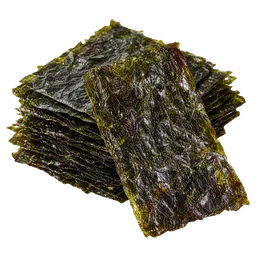
Nori is a dried edible red seaweed, usually from the Porphyra or Pyropia family. You can eat it as roasted sheets, flakes, or powder. Its standout nutrient is iodine, although the amount changes from product to product.1
Its clearest biological role comes from iodine. Think of iodine as a key that lets your thyroid's hormone-making workshop turn on, because the thyroid builds its hormones from iodine.1 That explains nori's nutritional interest, but it does not establish that nori improves a specific health outcome.
Bottom line
Nori makes sense for people who enjoy seaweed and want a flavorful whole-food source of iodine. It is not a strong evidence-led choice for a specific health target, because human outcome research remains very thin. Choose a clearly labeled product, especially if you track iodine intake.
Common questions
Is nori a good iodine source?
Does nori improve iron levels or inflammation?
Is nori powder better than sushi nori sheets?
Sources
Sources
Generated August 27, 2026