Omega-6 Fatty Acids
What the trials found
Omega-6 fatty acids do not appear to provide a clear benefit for inflammation or cardiovascular disease prevention in generally healthy adults.
- 2 papers
- 0 of 4 outcomes
Dose, timing & forms
How much
When and how long
There is no evidence-based time of day, meal pairing, or split-dose routine for omega-6 supplements for the outcomes reviewed here.12 If you use an oil-based product for nutritional reasons, taking it with a meal is a practical way to fit it into a routine, but this is not a proven strategy for changing inflammation or clotting markers.
Forms & standardisation
Linoleic acid is the omega-6 form most often discussed in human diet research.2 Look for a label that clearly names the fatty acid and gives its amount per serving, rather than relying on a broad "omega" blend. No specialized extract or branded omega-6 form has stronger trial support for the reviewed goals.12
What this is and how it works
- Two reviewed papers found no consistent consumer-relevant benefit across inflammation and cardiovascular outcomes.1
- The reviewed evidence spans two papers and four outcomes involving dietary linoleic acid and cardiovascular disease prevention.
- Findings primarily concern dietary omega-6 intake rather than standardized standalone supplement products.2
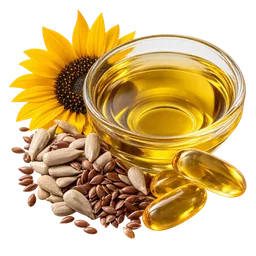
Omega-6 fatty acids are a family of essential fats, which means you need them from food because your body cannot build them from scratch. Linoleic acid is the best-known member, and everyday foods such as nuts, seeds, and plant oils already supply it.1
Your body can turn some omega-6 fats into arachidonic acid, a building block for short-lived chemical signals that guide platelet activity, blood-vessel behavior, and immune responses.1 Think of it as raw material for the body's traffic lights, not a permanent switch stuck on inflammation. Trials of higher linoleic acid intake did not consistently increase standard inflammation markers in healthy adults.2
Common questions
Do omega-6 fatty acid supplements reduce inflammation?
Do omega-6 fatty acids affect blood clotting?
Is linoleic acid the same as omega-6?
Sources
Sources
Generated August 27, 2026