Palm Oil
What the trials found
Palm oil does not stand out as a worthwhile supplement for blood sugar, weight, inflammation, prostate health, or general wellness, because the limited evidence does not establish a reliable benefit across these outcomes.
- 2 papers
- 0 of 7 outcomes
- 1 major interaction
Risk, worst reported severity
- extrapyramidal disorder moderate
- Complete urinary retention moderate
Dose, timing & forms
How much
There is no established evidence-based palm oil supplement dose for metabolic health, inflammation, prostate health, weight management, or blood-related outcomes. Human dietary trials reviewed different food-fat swaps rather than a dependable capsule protocol, so copying a dose from a bottle does not rest on strong clinical evidence.1
When and how long
No trial-backed timing routine stands out for palm oil supplements. Taking an oil with food is generally more practical than taking it on an empty stomach, but that is a tolerability choice, not a proven way to improve an outcome. Daily timing should not distract from the larger issue: clinical benefit has not been established.1
Forms & standardisation
Do not assume refined palm oil and red palm oil are interchangeable. Red palm oil retains more carotenoids and vitamin E compounds, while refining changes the oil's nutrient profile. Even so, no standardized extract or label marker currently identifies a palm oil product with proven consumer benefits.1
Adverse events and drug interactions
Safety events
Drug interactions
What this is and how it works
- Palm oil evidence does not establish a reliable benefit for cardiovascular blood-lipid markers in the available systematic review.1
- Two papers reviewed here span seven outcomes, including blood sugar, weight, inflammation, and prostate health.
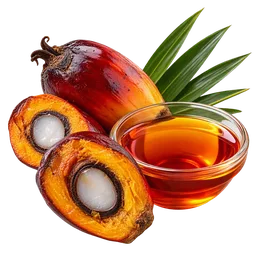
Palm oil comes from the fruit of oil palms. Refined palm oil is a common food fat, while red palm oil keeps more of the fruit's natural pigments and vitamin E family compounds. Those compounds make red palm oil interesting on paper, but a nutrient-rich oil is not automatically a useful supplement.1
Palm oil supplies a mix of saturated and unsaturated fats, which become part of the fat traffic moving through your bloodstream after meals. Think of that traffic like delivery trucks: the type of cargo changes how the body packages and clears cholesterol-carrying particles, which is why human trials have measured blood-fat markers rather than a single direct therapeutic action.1
Bottom line
Palm oil does not stand out as a supplement worth pursuing for blood sugar, weight, inflammation, prostate health, or general wellness. Consider it a food ingredient, not a targeted health tool. Given the reported safety signals and potential for a major medication interaction, skip self-directed use and ask a clinician or pharmacist before trying a concentrated product.
Common questions
Is palm oil a useful supplement?
Is red palm oil the same as regular palm oil?
Does palm oil support blood sugar or weight loss?
Who should avoid palm oil supplements?
Sources
Sources
Generated August 27, 2026