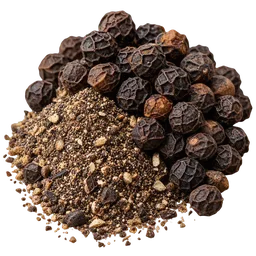
Pepper
Best for
Ease indigestion
Large effect, needs confirmation 1 meta-analysis, n=27 #5 of 10 studied
- 3 papers
- 1 of 6 outcomes
- 1 positive
Pepper produced a large improvement in meal-related indigestion for adults with functional dyspepsia, but the finding needs confirmation before pepper becomes a dependable digestive supplement.
Risk, worst reported severity
- adverse events (any)
What pepper actually does
Indigestion can cause upper-belly discomfort, early fullness, or burning after meals. 37323050
| Outcome | Effect | Evidence | Dose | Time | Rank |
|---|---|---|---|---|---|
| Worth watching 1 | |||||
| Ease indigestion Large effect, needs confirmation Indigestion can cause upper-belly discomfort, early fullness, or burning after meals. | | 1 meta-analysis 1 papers · n=27 | — | — | #5 /10 |
Effect tiers come from native-unit MCID where available, Cohen's d otherwise.
Dose, timing & forms
How much
There is no dependable general dose range for “pepper (unspecified).” The digestive signal comes from a preliminary red pepper study, not from trials of every culinary pepper or pepper extract, so it does not establish a broadly useful supplement dose.1 Treat any label that simply says “pepper” as too vague to match the research.
When and how long
The red pepper finding reflected regular use over a study period, not an occasional dash of seasoning after a heavy meal.1 For a personal trial, use a clearly identified red pepper product consistently with food and stop if it increases burning or stomach discomfort. The current evidence does not establish an ideal time of day or a reliable as-needed schedule.
Forms & standardisation
Look for a product that clearly identifies red pepper or Capsicum and lists capsaicin or capsaicinoid content. Do not assume black pepper or a piperine extract reproduces results from red pepper, since piperine and capsaicin are distinct active compounds.12 A label that only says “pepper” leaves too much uncertainty to connect it to the digestive trial.
Adverse events and drug interactions
Safety events
What this is and how it works
- One preliminary trial (n=27) reported a large improvement in meal-related indigestion; no MCID comparison was provided.1
- Three papers reviewed here span six outcomes, including clinical and mechanistic evidence for pepper and piperine.2
- Evidence is limited to one small study of adults with functional dyspepsia and unspecified red-pepper exposure.1
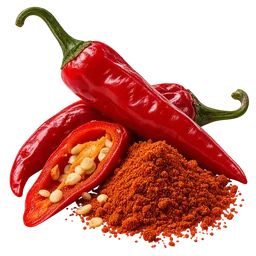
“Pepper” is a frustratingly broad label. It can mean red chili pepper, whose heat comes from capsaicin, or black pepper, whose sharp bite comes from piperine. Those compounds act differently, so an unspecified pepper product does not carry the same evidence as the red pepper tested for post-meal discomfort.12
Capsaicin in red pepper switches on TRPV1, a nerve sensor that detects heat and irritation. With repeated exposure, that sensor can become less reactive, like a smoke alarm that stops shrieking at harmless toast smoke, which offers a plausible explanation for reduced gut discomfort in the red pepper trial.1
Bottom line
Red pepper is worth watching for adults who get mild, meal-related upper-abdominal discomfort and already tolerate spicy foods. The effect looked large in one early study, but that is nowhere near enough evidence to make unspecified pepper a dependable digestive supplement.1 Choose a clearly labeled red pepper product if you try it, and avoid it when spicy foods themselves trigger your symptoms.
Co-studied with
Common questions
Does pepper ease indigestion?
Is black pepper the same as red pepper for digestion?
Should you take pepper for stomach discomfort after meals?
Sources
Sources
Generated August 27, 2026