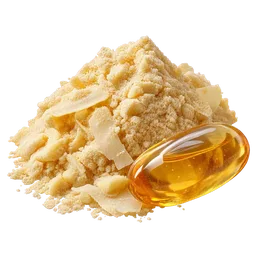
Phosphatidylethanolamine
What the trials found
Phosphatidylethanolamine supplementation does not have an established benefit for metabolic markers or inflammation; available literature describes biology more clearly than reliable clinical outcomes.
- 2 papers
- 0 of 3 outcomes
Dose, timing & forms
How much
There is no established oral phosphatidylethanolamine dose for metabolic health or inflammation. The available consumer-focused evidence is too early to turn into a trustworthy daily target, so a label dose should not be mistaken for a clinically validated protocol.1 Avoid choosing PE because it promises a specific blood sugar, weight, or inflammation result.
When and how long
Research does not establish a best time of day, meal pairing, or split-dose schedule for standalone PE. Until human trials test a clear protocol, timing is a convenience decision rather than an evidence-based way to improve results.1 If a product causes stomach discomfort, taking it with food is a practical approach, not a proven effectiveness strategy.
Forms & standardisation
Look carefully at the label because many products contain PE as one component of a broader phospholipid blend rather than as a clearly quantified standalone ingredient. Food source and fatty-acid makeup can vary between soy, egg, and marine phospholipids, so products with the same front-label name are not necessarily interchangeable.1 No specific PE source or standardization marker has enough outcome research to earn a clear recommendation.
What this is and how it works
- No quantified clinical effect estimate establishes meaningful improvement in metabolic markers or inflammation 1.
- Two papers reviewed here span three outcomes, focusing mainly on phosphatidylethanolamine metabolism and cellular biology.
- Human supplementation evidence remains insufficient to support phosphatidylethanolamine as a first-choice option for these goals.
Phosphatidylethanolamine, often shortened to PE, is a phospholipid found throughout your body and in foods such as eggs, soy, meat, and fish. Think of phospholipids as the flexible tiles in a cell's outer wall and internal rooms. Your body also makes PE, so it is not an essential nutrient in the usual sense.1
PE helps form cell membranes, particularly the membranes around energy-producing mitochondria and other internal cell structures.1 It works like the bendable material in a phone case: enough PE helps a membrane curve, fuse, and shuttle cargo without cracking.2 That fundamental role makes PE biologically interesting, but it does not establish that taking extra PE changes inflammation or metabolic outcomes in people.1
Bottom line
PE is a real and important part of cell biology, but the case for taking it as a supplement is not ready. It is not a first-choice option if your goal is better metabolic markers or lower inflammation. Save your money unless a clinician has a specific reason to recommend a phospholipid product for you.1
Common questions
What does phosphatidylethanolamine do in the body?
Is phosphatidylethanolamine the same as phosphatidylserine?
Should I take phosphatidylethanolamine for inflammation or metabolic health?
Sources
Sources
Generated August 27, 2026