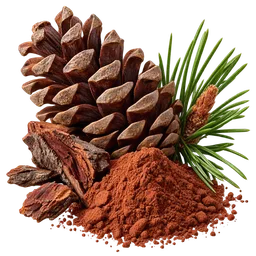
Pine
What the trials found
Unspecified pine does not provide enough evidence to support a specific health benefit across outcomes because the ingredient form, dose, and studied population are not reliably defined.
- 3 papers
- 0 of 14 outcomes
Dose, timing & forms
How much
There is no responsible general dose range for an unspecified pine product. The reviewed evidence base is limited, and a dose only makes sense when it matches an identified species, plant part, extract, and study purpose. Do not transfer doses from a named pine bark extract, pollen product, or essential oil to a bottle that simply says “pine.”
When and how long
No evidence-based timing advice fits an unspecified pine supplement. First identify the exact product and whether the research behind it used daily capsules, a food-based preparation, or another form. Until then, timing and frequency are guesses rather than trial-based guidance.
Forms & standardisation
The label needs more than the word “pine.” Look for the full botanical name, the plant part used, extract ratio or standardization details, and milligrams per serving. These details determine whether a product resembles any studied preparation at all.1
What this is and how it works
- Three papers spanning 14 outcomes provide no reliable pooled effect estimate for unspecified pine supplementation 1.
- The reviewed evidence covers three papers, but the unspecified ingredient cannot establish a consistent dose or target population.
- Different pine species and extracts may not share the same active compounds, limiting claims about unspecified products.
Pine refers to a large group of trees in the Pinus genus, not one standardized supplement. A bottle labeled only “pine” leaves out the details that matter most: the species, whether it contains bark, needles, pollen, or oil, and how the product was extracted.1
A mechanism cannot be pinned down from “pine” alone because different pine materials carry different chemical mixtures. Think of it like ordering “fruit” when you need to know whether you are getting an orange, grape, or avocado: the category does not tell you what the item does in the body.1
Bottom line
Do not buy an unspecified pine supplement for a specific health goal. The label gives too little information to connect the product with a plausible mechanism, a studied dose, or meaningful evidence. Consider a clearly identified ingredient instead, especially if you take medication, are pregnant, or have a chronic health condition.
Common questions
What does pine supplement do?
Is pine bark the same as pine pollen?
How do I choose a pine supplement?
Sources
Sources
Generated August 27, 2026