Polygonum
1 studies read · 0 answers · 1 sources
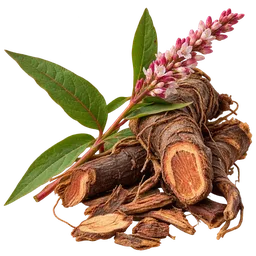
Polygonum (unspecified) does not establish memory support for consumers because the label omits the species and preparation needed to interpret evidence.
How to take it
Skip vague Polygonum products if your goal is memory support. One limited consumer-facing claim does not establish a useful benefit, dose, or routine, especially when the ingredient itself lacks a defined species and extract. Choose a product with an exact botanical identity and human evidence for that exact preparation.
How much
There is no evidence-based general dose for “Polygonum” when the species and extract are unspecified. The reviewed evidence is too limited to turn one consumer-facing claim into a practical protocol. Match any dose only to a trial that names the exact species, plant part, and preparation.
When
No reliable timing routine follows from the available evidence. Until a product identifies its species and preparation, taking it morning, evening, with food, or without food would be guesswork rather than trial-based guidance.
Which form
The best label starts with the full Latin species name, then identifies the plant part and extraction method. “Polygonum” alone is not a meaningful form specification because it can refer to botanically different materials with different chemical makeup.1 Prefer products that also disclose a measurable standardization marker when one exists for that exact species.
How it works
A label that says only “Polygonum” leaves out the detail that matters most: which plant you are actually buying.
Polygonum is a botanical genus name, not one single, interchangeable herb. Plant classification and naming within this group have changed over time, and products can differ by species, plant part, and extraction method.1 When those details are missing, you cannot reliably connect a supplement to a specific human study.
No specific body mechanism can be assigned to an unspecified Polygonum product. Different plants placed under this label can carry different chemical profiles, much like calling something “fruit” tells you nothing about whether you are eating an apple or a lemon.1