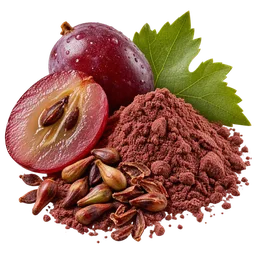
Proanthocyanidins
What the trials found
Proanthocyanidins do not have established benefits across health outcomes, while cardiovascular markers show a limited and variable human signal that does not support confident treatment claims.
- 2 papers
- 0 of 19 outcomes
Dose, timing & forms
How much
This evidence base does not establish a dependable dose range for a specific outcome. The clinical literature on grape seed extract uses different extracts, participant groups, and outcome measures, so matching a capsule's milligram number to a proven result would overstate what the research shows.1
When and how long
No trial pattern establishes a preferred morning, evening, or meal-time schedule for proanthocyanidins. If you choose to use a product, take it consistently and follow its label directions rather than treating it as an occasional quick fix.
Forms & standardisation
Most human research centers on grape seed extracts, not an isolated, universally defined proanthocyanidin ingredient.1 Look for a label that identifies the botanical source and states the proanthocyanidin or oligomeric proanthocyanidin content, rather than relying on a broad term such as "polyphenol complex." Different extracts can deliver very different chemical mixes at the same capsule weight.
Adverse events and drug interactions
Safety events
What this is and how it works
- Across 2 reviewed papers spanning 19 outcomes, consistent noticeable benefits were not established across measured health markers.1
- Human evidence primarily examines grape-seed extracts and cardiovascular risk markers in adults, with broader outcomes less certain.
- Limited studies and variable results prevent confidence that proanthocyanidins produce reliable health improvements.
Proanthocyanidins are a family of plant polyphenols, best known from grape seeds, dark berries, cocoa, apples, and pine bark. Supplements usually concentrate them from grape seed or pine bark, while foods deliver them alongside fiber and many other plant compounds.1
These compounds interact with nitric oxide signaling, a chemical message that tells blood vessel muscle when to loosen or tighten. Think of nitric oxide as the hand signal that opens extra lanes in a crowded road: proanthocyanidins appear to influence how clearly that signal gets through, although human results differ across extracts and study designs.1
Bottom line
Proanthocyanidins make the most sense for someone who wants to explore a plant extract while keeping expectations modest. The cardiovascular signal is interesting, but limited and variable human evidence does not support treating this as a proven solution for a health goal.1 If you have ongoing digestive symptoms or abnormal liver tests, discuss supplements with a clinician before adding one.
Common questions
What are proanthocyanidins?
Do proanthocyanidins support heart health?
What is the best proanthocyanidin supplement dose?
Are grape seed extract and proanthocyanidins the same thing?
Sources
Sources
Generated August 27, 2026