Pumpkin Seed Oil
2 studies read · 2 answers · 2 sources
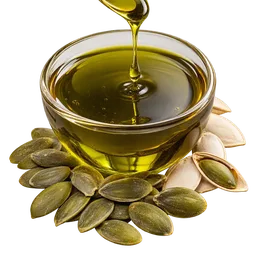
Pumpkin seed oil shows a promising early signal for thicker, fuller hair in men with androgenetic alopecia, while evidence across other outcomes remains too limited for broad conclusions.
What it does
Worth watching
-
More hair growth and fullness · May help
Fuller-looking hair that grows well and holds up to brushing can make styling easier.
1 trial · 76 people · noticed in 24 weeks
Early findings (1)
-
Fewer prostate urinary symptoms · Unclear if it helps
1 trial · 62 people · noticed in 52 weeks
How to take it
Pumpkin seed oil is worth watching if you are a man with male-pattern thinning and want an early-evidence option with a realistic six-month timeline.1 Keep expectations grounded: the hair finding comes from one trial, and the available prostate study did not show a clear benefit for urinary symptoms.2
How much
For the only consumer-facing outcome with a positive trial result, men took 400 mg daily for 24 weeks, and hair coverage increased more than with placebo.1 A separate year-long prostate study used a somewhat lower daily amount, but it did not show a clear improvement in prostate or urinary symptoms.2
When
Which form
The positive hair trial tested an oral pumpkin seed oil supplement, not culinary pumpkin seeds or a scalp oil.1 Look for a product that clearly identifies pumpkin seed oil and states the amount per daily serving. Current trials do not establish a best fatty-acid profile, sterol percentage, or topical form.1
The dose that worked, by measure (1)
- Increase hair coverage
- 400 mg24 weeks
How it works
Pumpkin seed oil has one surprisingly promising hair result, but it is still far from a proven shortcut to thicker hair.1
Pumpkin seed oil comes from the pressed seeds of Cucurbita pepo, the same plant that produces the green pepitas sold as snacks. It contains fatty acids and plant sterols, natural compounds that resemble cholesterol's plant-based cousins.1
Researchers think its plant sterols may slow 5-alpha-reductase, an enzyme that converts testosterone into a follicle-shrinking signal called DHT. Picture the enzyme as a factory valve: turning it down could reduce the stream of DHT reaching susceptible scalp follicles, although the human hair trial did not prove that this was the reason hair coverage increased.1