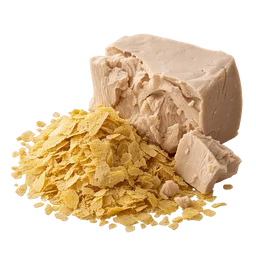
Saccharomyces cerevisae
What the trials found
Saccharomyces cerevisiae does not have enough human evidence to establish meaningful benefits across weight, pain, muscle performance, heart health, or digestion.
- 3 papers
- 0 of 8 outcomes
Dose, timing & forms
How much
There is no well-established general dose range for Saccharomyces cerevisiae across the consumer-facing outcomes reviewed here. The evidence base is too limited to identify a protocol that reliably supports a specific goal, so do not treat doses from unrelated brewer's yeast, beta-glucan, or probiotic products as interchangeable.
When and how long
No evidence-based time-of-day or meal-timing routine stands out for Saccharomyces cerevisiae. If you choose to use a product, follow its label instructions and judge it by the exact form and amount used, rather than assuming that daily use or a particular timing pattern has proven value.
Forms & standardisation
Product form matters more here than the front-label species name. Whole brewer's yeast, isolated yeast beta-glucans, and strain-specific live yeasts contain different materials and should not be treated as the same intervention. Look for a clearly named strain or a quantified cell-wall component, such as beta-glucans, because beta-glucans are among the yeast components known to interact with immune signaling.1
What this is and how it works
- The supplied record provides no pooled study count, sample size, effect estimate, or MCID comparison for Saccharomyces cerevisiae outcomes. 1
- Three papers reviewed here span eight outcomes, but evidence does not identify a reliable benefit for any major consumer outcome.
- Evidence varies by yeast preparation, dose, and population, limiting conclusions about Saccharomyces cerevisiae supplements.
Saccharomyces cerevisiae is a single-celled yeast commonly called baker's or brewer's yeast. Supplements can contain whole inactive yeast, broken yeast cells, or selected cell-wall components, so products with this name are not necessarily interchangeable.
The most discussed components sit in the yeast's cell wall, especially beta-glucans. Picture the cell wall as a rough fiber jacket: when those fibers reach the gut, immune cells can recognize their pattern and respond to it.1 That mechanism is interesting, but the available human evidence remains too small to connect it confidently to the wide range of outcomes marketed for this ingredient.
Bottom line
Saccharomyces cerevisiae is most reasonable for someone who wants a clearly labeled yeast-derived food or fiber ingredient and accepts that the human outcome evidence is still thin. Skip broad promises around weight, pain, muscle performance, heart health, or digestion until larger, better-defined trials identify which form works, for whom, and at what dose.
Common questions
What is Saccharomyces cerevisiae used for as a supplement?
Is Saccharomyces cerevisiae the same as a probiotic?
Does Saccharomyces cerevisiae support the immune system?
Sources
Sources
- 1. Beta-glucans and the immune system (2010) ↑
Generated August 27, 2026