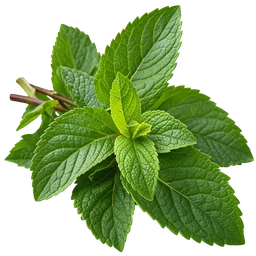
Spearmint
What the trials found
Spearmint has insufficient evidence for dependable benefits across memory and other outcomes, with limited human research concentrated in older adults with age-related memory complaints.
- 3 papers
- 0 of 6 outcomes
Dose, timing & forms
How much
The clearest cognitive protocol used 900 mg per day of a proprietary spearmint extract for 90 days in older adults with age-associated memory complaints. 1 That is the useful reference point for memory support, not a reason to assume that a culinary amount of spearmint or a lower-dose tea produces the same result. 1 Evidence is too limited to set a trustworthy dose for sleep, mood, digestion, or exercise goals. 1
When and how long
The memory study used spearmint consistently every day across three months, which points to a routine supplement rather than an occasional boost. 1 No clinical result establishes that morning, evening, or taking it with food works better, so follow the product directions and choose a time you can repeat daily. 1
Forms & standardisation
Look for a standardized spearmint leaf extract, especially one that identifies its polyphenol or rosmarinic-acid content. The positive memory study used a concentrated proprietary extract, so plain dried leaf powder and tea are not interchangeable with the studied form. 1
Adverse events and drug interactions
Safety events
What this is and how it works
- One cited clinical paper examined cognitive function, but sample size and MCID comparison were not reported.1
- Three papers reviewed here span six outcomes, including memory, sleep, mood, digestion, and exercise performance.
- Human evidence centers on standardized spearmint extract in older adults with everyday memory complaints.1
Spearmint comes from Mentha spicata, the sweet, cool-tasting mint in teas, gum, and cooking. Supplements usually use a concentrated leaf extract rather than loose leaves, which matters because extracts deliver a much denser dose of the plant's polyphenols.
Spearmint contains polyphenols, including rosmarinic acid, that researchers study for their effects on oxidative stress and the chemical signals brain cells use to communicate. Think of these compounds as rust protection for a busy electrical circuit: they help limit wear while the circuit passes messages. The human trial showed cognitive changes, but it did not prove that this proposed mechanism caused them. 1
Bottom line
A standardized spearmint extract makes the most sense for someone seeking modest memory support who matches the studied group, namely an older adult with age-related memory complaints. 1 Skip the hype around sleep, mood, digestion, or workout performance for now: the clinical evidence is too small to set dependable expectations. 1
Common questions
Does spearmint improve memory?
Is spearmint tea the same as spearmint extract?
How long does spearmint take to work?
Is spearmint worth taking for sleep or mood?
Sources
Sources
Generated August 27, 2026