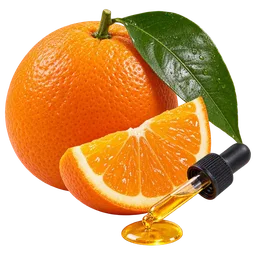
Sweet Orange (Citrus sinensis)
What the trials found
Sweet orange does not appear to improve weight, fitness, heart health, or general wellbeing, because evidence across these outcomes remains too limited for confident supplement claims.
- 3 papers
- 0 of 9 outcomes
Risk, worst reported severity
- fluorouracil moderate
- oxaliplatin moderate
Dose, timing & forms
How much
The available human evidence does not establish a reliable supplemental dose for a specific health goal. Do not treat doses from food flavoring, aromatherapy products, peel extracts, and oral essential oils as interchangeable, since they deliver very different amounts and types of compounds.
When and how long
No well-supported timing routine stands out for sweet orange supplements. If you choose to use a product, follow its label directions rather than assuming that taking it before exercise, with meals, or at a certain time of day produces a proven outcome.
Forms & standardisation
Keep whole fruit, juice, peel extract, and essential oil in separate mental buckets. The small human literature includes aroma exposure, while concentrated oral products raise different dosing and medication-safety questions. Look for a label that clearly identifies the plant part and whether the product is an extract or essential oil.
Adverse events and drug interactions
Drug interactions
What this is and how it works
- No pooled effect size or MCID comparison is available; one cited study examined ambient orange odor, not supplementation.1
- Three papers reviewed here span nine outcomes, with evidence covering varied uses rather than a defined oral dose.
- The strongest cited signal concerns anxiety and mood in a dental-office setting, limiting relevance to concentrated supplements.1
Sweet orange comes from the familiar Citrus sinensis fruit, used as food, juice, peel, and fragrant essential oil. Supplements usually use a peel extract or concentrated oil, which differs substantially from eating a whole orange.
Its aromatic compounds reach scent receptors in the nose and feed directly into brain circuits that shape attention and emotion, much like a familiar song can change the feel of a room before you consciously think about it.1 That sensory route explains why orange aroma has been studied for short-term mood settings, but it does not establish benefits for body composition, cardiovascular health, exercise performance, or weight management.1
Bottom line
Sweet orange makes sense as a food and fragrance, not as a targeted supplement for weight, fitness, heart health, or general wellbeing. The reviewed evidence base is too small to justify confident promises. Skip concentrated products for a medical or performance goal, especially if you use prescription medicines or receive cancer treatment.
Common questions
Does sweet orange help with weight loss?
Is sweet orange oil the same as eating an orange?
Can you take sweet orange extract with prescription medicine?
Sources
Sources
Generated August 27, 2026