Violet
1 studies read · 0 answers · 1 sources
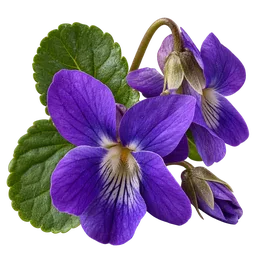
Violet does not have enough clinical evidence to establish a cardiovascular benefit across studied outcomes or support a confident supplement recommendation.
How to take it
Skip violet if you want a supplement with a well-supported cardiovascular benefit and a clear dose. It remains an interesting botanical, but the current clinical evidence does not give you enough to choose a product, amount, or schedule with confidence.1
How much
No repeatable clinical dose range is established for violet in cardiovascular support. One paper is not enough to turn a serving suggestion into a proven protocol, especially when products can vary substantially in preparation.1
When
There is no evidence-based guidance on taking violet in the morning, evening, with food, or in divided doses for cardiovascular goals. Until studies test a clearly defined product on a consistent schedule, timing claims are guesswork.1
Which form
Do not assume that a flower tea, powdered herb, or concentrated extract delivers the same compounds. No violet preparation has enough human trial support to justify a preferred extract, active-compound target, or label standard for cardiovascular use.1
How it works
Violet looks like a gentle wellness pick. Right now, the clinical case for a cardiovascular supplement is far too thin for a confident recommendation.1
“Violet” usually refers to plants in the Viola group, known for their purple, blue, or white flowers. Supplements and teas sold under that name can differ widely in species, plant part, and preparation, which makes product labels especially important.
A credible mechanism needs human research that connects a specific violet preparation to a measurable body process. That link is not established for cardiovascular use, so any explanation of how violet works would get ahead of the evidence.1