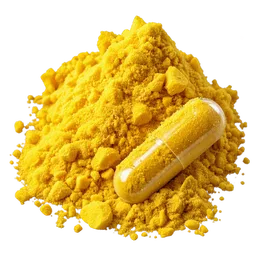
Vitamin B2
Best for
Lower uric acid
Promising early signal 1 study, n=38 #1 of 15 studied
- 8 papers
- 5 of 17 outcomes
- 3 positive
- 1 major interaction
Vitamin B2 shows a promising early signal for fewer migraine attacks, while evidence for uric acid and gut-related outcomes remains too limited to guide broad buying decisions.
Risk, worst reported severity
- Any complication (weight gain, dizziness, gastrointestinal problems)
- gastrointestinal adverse events (diarrhea, nausea, vomiting, gastric irritation, soft stool)
- oxaliplatin major
- cisplatin moderate
What vitamin b2 actually does
Migraine prevention can mean fewer days shaped by head pain and missed plans. 29629048 · 30764890
Gut bacteria ferment fiber into short-chain fatty acids that nourish cells in the colon. 35943883
Uric acid is a blood level tied to gout and kidney stones. 19390751
Pain relief can help a migraine feel less overwhelming while it lasts. 29629048 · 30764890
A diverse gut microbiome contains many types of bacteria that help process food. 35943883
| Outcome | Effect | Evidence | Dose | Time | Rank |
|---|---|---|---|---|---|
| Worth watching 3 | |||||
| Fewer migraine attacks Promising early signal Migraine prevention can mean fewer days shaped by head pain and missed plans. | | 1 meta-analysis 2 papers · n=114 | — | — | #3 /12 |
| Increase short-chain fatty acids in the gut Promising early signal Gut bacteria ferment fiber into short-chain fatty acids that nourish cells in the colon. | | 1 study 1 papers · n=105 | — | — | #3 /7 |
| Lower uric acid Promising early signal Uric acid is a blood level tied to gout and kidney stones. | | 1 study 1 papers · n=38 | — | — | #1 /15 |
| Early research 2 | |||||
| Less pain during migraine attacks Not enough research Pain relief can help a migraine feel less overwhelming while it lasts. | | 1 meta-analysis 2 papers · n=60 | — | — | — |
| Build a more diverse gut microbiome Not enough research A diverse gut microbiome contains many types of bacteria that help process food. | | 1 study 1 papers · n=— | — | — | — |
Effect tiers come from native-unit MCID where available, Cohen's d otherwise.
Dose, timing & forms
How much
For migraine prevention, the key randomized trial used 400 mg daily for three months and found fewer attacks than placebo.1 A later open-label study also used high-dose riboflavin and reported fewer migraine attacks, which supports an early signal but does not settle who responds best.2 This research dose sits far above the amount needed to avoid dietary deficiency, so do not assume a standard multivitamin dose matches the migraine protocol.13
When and how long
Forms & standardisation
Standard oral riboflavin is the form with direct migraine trial support, not a special activated or sustained-release version.12 On a label, look for a clearly disclosed amount of riboflavin or vitamin B2 instead of relying on a proprietary blend. Your cells convert riboflavin into FMN and FAD after intake.3
Adverse events and drug interactions
Safety events
Drug interactions
What this is and how it works
- Two migraine studies (n=114) reported fewer attacks, but no shared native-unit effect or MCID comparison was provided.1
- Eight papers reviewed here span 17 outcomes, including migraine, uric acid, and gut-produced compounds.
- Migraine evidence centers on high-dose riboflavin used consistently for prevention, not immediate pain relief.1
Vitamin B2, also called riboflavin, is a water-soluble vitamin found in foods such as dairy, eggs, meat, mushrooms, almonds, and fortified grains. Your body uses it every day and stores relatively little, so food or supplements keep the supply coming.3
Your cells convert riboflavin into two tiny helper molecules, FMN and FAD, that let energy-making enzymes pass electrons along their chain.3 Think of them as the metal contacts inside a charger: when the contacts work, power flows from food into usable cellular energy. Researchers test high-dose riboflavin for migraine because disrupted energy handling in brain cells is one plausible part of migraine biology, though the clinical trials mainly measured attacks rather than this mechanism directly.12
Bottom line
Vitamin B2 is a reasonable discussion point if you get recurrent migraines and want a low-complexity daily prevention strategy with an early but encouraging evidence signal.12 Set expectations around fewer attacks over time, not immediate pain relief, and do not use it as a substitute for evaluating new, severe, or changing headaches. The gut, uric acid, and headache-pain findings need more research before they guide a buying decision.
Common questions
Does vitamin B2 reduce migraine attacks?
How long does vitamin B2 take to work for migraines?
Why does vitamin B2 turn urine bright yellow?
Is riboflavin the same thing as vitamin B2?
Sources
Sources
Generated August 27, 2026