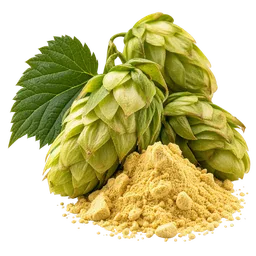
Xanthohumol
What the trials found
Xanthohumol does not yet have enough human evidence to promise a meaningful benefit across metabolic or cardiovascular outcomes, leaving its practical value uncertain.
- 1 papers
- 0 of 4 outcomes
- 2 severe
Risk, worst reported severity
- Severe COVID-19 severe
- Herpes zoster severe
- TNF-related apoptosis-inducing ligand (TRAIL) moderate
- fluorouracil moderate
Dose, timing & forms
How much
There is not enough human trial evidence to give a reliable goal-specific xanthohumol dose. The limited clinical literature has not established a dose that consistently improves cardiovascular or metabolic outcomes, so treat product-label dosing as an experimental choice rather than a proven protocol. 1
When and how long
Human research has not established a best time of day, meal pairing, or split-dose schedule for xanthohumol. If you and a clinician decide to try it, use a consistent routine and avoid changing several supplements at once, so you can spot unwanted effects. 1
Forms & standardisation
Look for a supplement that states the actual amount of xanthohumol, rather than listing only a generic hop extract. No human evidence currently establishes one extract type, purity level, or standardization marker as the best choice for metabolic or cardiovascular goals. 1
Adverse events and drug interactions
Safety events
Drug interactions
What this is and how it works
- Across one reviewed paper, quantitative effect sizes and participant totals were not established for four xanthohumol outcomes. 1
- One paper reviewed here spans four outcomes, leaving the evidence base too narrow for reliable cross-outcome conclusions.
Xanthohumol is a natural flavonoid found in hop flowers, the same plant used to flavor beer. Supplements isolate and concentrate it, which makes them very different from having a drink. 1
Early research is exploring how xanthohumol interacts with the cell signals that manage inflammation, energy use, and fat handling, but human trials have not yet nailed down which pathway drives a real-world benefit. 1 Think of it as testing a new set of controls on the body's metabolic dashboard, not proving that the dashboard now runs better. 1
Bottom line
Xanthohumol is a curiosity for people who enjoy following early nutrition science, not a first-line supplement for metabolic or cardiovascular goals. The human evidence is too thin to promise a meaningful payoff, and the interaction and safety flags make it a poor casual experiment for anyone taking medications. 1
Common questions
What is xanthohumol used for?
Does xanthohumol come from beer?
Is xanthohumol worth taking?
Who should avoid xanthohumol supplements?
Sources
Sources
Generated August 27, 2026