My coffee, pre-workout and energy drink all contain caffeine. How much am I actually getting?
Nov 25, 2026 · 2 min read · 5 sources
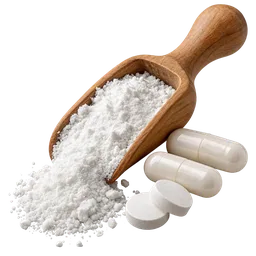
For most healthy adults, total caffeine from coffee, pre-workout, and energy drinks should stay at or below 400 mg daily.
The problem is not that any one drink is wild. It is that three normal servings can quietly become one very caffeinated day.
I would count caffeine like money: write down the milligrams in each serving, add them before you drink the next one, and keep most healthy adult days at or under 400 mg. If you use caffeine for training, put the dose where it helps most, usually 60 minutes before the session, then cut the random extras.
The quick protocol is one total, one cutoff, one workout dose
Start with a label audit. Your pre-workout and energy drink should list caffeine in milligrams per serving. Coffee is the annoying one because cup size and brew strength change the number. The FDA gives the practical adult benchmark: 400 mg per day is an amount not generally linked with negative effects for most adults, and it says that is roughly two to three 12 ounce cups of coffee.1
Here is a realistic stack. A 12 ounce brewed coffee at 150 mg, one pre-workout scoop at 200 mg, and one energy drink at 160 mg equals 510 mg. If your coffee is stronger, or your scoop is rounded, you are higher. My move: pick one intentional caffeine event, usually coffee or pre-workout, then make the other drinks decaf or low caffeine.
For performance, the International Society of Sports Nutrition position stand says caffeine consistently improves exercise performance at 3 to 6 mg per kg body weight, most commonly about 60 minutes before exercise.2 For a 70 kg person, that is 210 to 420 mg. The top of that range already reaches the FDA daily guide, before coffee enters the day.
The common variations are mostly timing problems
Loading is not the issue with caffeine. Stacking is. You do not need a morning coffee, a full scoop of pre-workout, and an energy drink to make caffeine work. If training is the reason, use the pre-workout or coffee before training, not both by default.
Fasted versus fed is secondary. Caffeine still counts either way. Morning versus afternoon matters more because caffeine hangs around. A common adult half-life is often discussed around 5 hours, which means a 200 mg dose can still leave a meaningful amount active later in the day.3 If sleep is fragile, I would stop caffeine after lunch rather than argue about whether coffee or pre-workout is the cleaner source.
Energy drinks add a second issue: they make repeat dosing easy. The can feels separate from the scoop, but your nervous system only sees total caffeine. If the can is 160 mg and your pre-workout is 300 mg, the math is already 460 mg before counting coffee, tea, chocolate or caffeine in pain relievers.
The mistakes to avoid are simple
Do not trust serving language. Some powders define one serving as half a scoop. Some labels use blends, although many now list caffeine clearly. If the caffeine number is hidden, skip that product.
Do not chase the 6 mg per kg sports dose if you are sensitive, anxious, sleep deprived or already caffeinated. Higher doses are more likely to bring jitters, rapid heartbeat and stomach trouble, and the ISSN position stand does not make higher dosing the default.2
Do not apply the 400 mg rule if you are pregnant. ACOG says moderate caffeine consumption under 200 mg per day does not appear to be a major contributor to miscarriage or preterm birth, while the relationship with growth restriction is unresolved.4 Practically, that means one normal coffee can use most of the day’s budget.
Also be careful if you use pure or highly concentrated caffeine powder or liquid. The FDA specifically warns against these products because small measuring errors can deliver dangerous doses, and it has linked highly concentrated caffeine products to deaths in otherwise healthy people.5
The useful answer is not “quit caffeine.” It is: total the milligrams, choose the caffeine that has a job, and stop letting three products do the same job at once.
The supplement in this article
Worth knowing
- Coffee caffeine varies by bean, brew method, serving size and strength.
- The adult 400 mg benchmark is not a pediatric dosing rule.
- ACOG uses a lower 200 mg per day benchmark for pregnancy.
- The FDA warns that measuring errors with concentrated caffeine can be dangerous.
Common questions
How do I calculate my caffeine total?
Does pre-workout caffeine count differently from coffee caffeine?
How much caffeine should I take before a workout?
Sources
- 1. Spilling the Beans: How Much Caffeine is Too Much? (2024) Daily intake ceiling for most healthy adults
- 2. International Society of Sports Nutrition position stand: caffeine and exercise performance (2021) Sports dosing and timing protocol
- 3. Caffeine Pharmacology (2023) Half-life explanation for timing guidance
- 4. Moderate caffeine consumption during pregnancy (2010) Pregnancy caffeine threshold
- 5. FDA Warns Consumers About Pure and Highly Concentrated Caffeine (2018) Concentrated caffeine safety warning