Can my sleep tracker tell me whether a supplement is helping?
Nov 17, 2026 · 2 min read · 5 sources
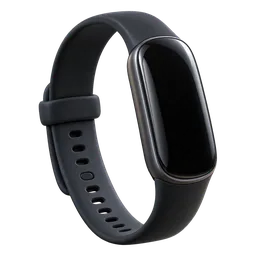
A sleep tracker can flag broad trends during supplement use, but one night cannot reliably show whether the supplement improved sleep.
You take magnesium, glycine, melatonin, or something new, then wake up and check the score before you check how you feel. The number feels objective. It is not always useful.
I would use the tracker as a trend tool, not as the judge. If a supplement is truly helping, you should see a repeatable pattern across many nights, and you should feel it the next day.
Your tracker can answer the boring questions
The useful signals are bedtime, wake time, rough total sleep time, sleep regularity, and sometimes resting heart rate. Those are the places where consumer devices and actigraphy are closest to being helpful. The American Academy of Sleep Medicine says consumer sleep technology can support patient clinician conversations, but it is not a substitute for proper medical evaluation when a sleep disorder is on the table.1
For your supplement decision, that means this: ignore the victory lap after one great score. Look for a boring pattern. If magnesium, glycine, or melatonin is helping you, the evidence you want is not “18 percent more deep sleep last night.” It is more like: you fell asleep around the same time, woke up less often, slept a little longer, and felt better at 10 a.m. for most nights over 2 weeks.
A sleep diary still matters. The Consensus Sleep Diary paper was built around the idea that night by night self tracking is useful for sleep assessment and treatment response.4 For supplements, I would write down dose, timing, caffeine, alcohol, exercise, stress, bedtime, wake time, and next day alertness. Your tracker supplies the rough clock. Your notes explain the confounders.
Sleep stages are where the number gets shaky
The part to distrust is the stage breakdown. A 2024 study comparing five consumer sleep trackers with research grade actigraphy and polysomnography in 53 young adults found that most devices estimated total sleep time about as well as research actigraphy, but sleep stage accuracy depended on the device, the stage, and the individual.2
Another validation study of Apple Watch Series 8, Fitbit Sense 2, and Oura Ring Gen3 in 35 healthy adults found the devices were similar to polysomnography for sleep duration, but the Apple Watch underestimated wake by 7 minutes, underestimated deep sleep by 43 minutes, and overestimated light sleep by 45 minutes.3 That is not a moral failure of the watch. Wrist devices infer sleep stages from movement, heart rate, and related signals. Polysomnography measures brain, eye, and muscle activity.
So if your supplement “boosted REM” on Tuesday, I would not care. If your deep sleep line dropped after stopping it, I still would not care unless the same pattern repeats and your daytime function changes with it.
Make one decision, not a nightly verdict
Run a simple home experiment. Keep the supplement dose and timing fixed for 10 to 14 nights. Do not change caffeine, alcohol, bedtime, or training on purpose. Then compare with 10 to 14 similar nights without it. Decide from the average, not the best night.
The confound you have probably heard is that the sleep score itself is the outcome. It is not. The outcome is whether you sleep better and function better. The score is a measurement, and sometimes a noisy one.
There is one red flag: if the tracker makes you more worried about sleep, stop using it for this decision. The 2017 orthosomnia case series described people seeking help because tracker data convinced them their sleep was poor, even when the data were potentially inaccurate.5
My move: use the tracker for timing and trends, pair it with a 30 second diary, and judge the supplement only after 2 weeks. If all you have is one pretty sleep score, you do not have evidence yet.
Supplements in this article


Worth knowing
- Consumer sleep technology is not a substitute for medical evaluation, especially with snoring, gasping, dangerous sleepiness, or persistent insomnia.
- This article is about measurement. The evidence for melatonin, magnesium, glycine, or other supplements has to be judged separately.
- Validation studies show performance varies by device, sleep stage, and individual.
Common questions
Can my tracker prove magnesium is improving deep sleep?
How long should I test a sleep supplement before deciding?
Should I stop wearing my tracker if it stresses me out?
Sources
- 1. Consumer and Clinical Sleep Technology Resource (2018) limits of consumer sleep technology for clinical decisions
- 2. Evaluating Accuracy in Five Commercial Sleep-Tracking Devices Compared to Research-Grade Actigraphy and Polysomnography (2024) main evidence for trend use versus sleep stage caution
- 3. Accuracy of Three Commercial Wearable Devices for Sleep Tracking in Healthy Adults (2024) concrete device stage error example
- 4. The Consensus Sleep Diary: Standardizing Prospective Sleep Self-Monitoring (2012) support for pairing tracker data with sleep diary
- 5. Orthosomnia: Are Some Patients Taking the Quantified Self Too Far? (2017) red flag for tracker fixation