Dihydromyricetin
What the trials found
Dihydromyricetin does not appear to reliably relieve alcohol-related fatigue or headache in humans, because available evidence is limited to a single early study rather than convincing clinical proof.
- 1 papers
- 0 of 2 outcomes
Risk, worst reported severity
- elevation of alanine aminotransferase (ALT)
- elevation of aspartate aminotransferase (AST)
- adriamycin moderate
- acetaminophen moderate
Dose, timing & forms
How much
There is not enough human trial evidence to give a dependable dose range for fatigue or headache. One early paper is not a foundation for a consumer dosing rule, especially when the available mechanistic work comes from animal research rather than outcome-focused human trials.1
When and how long
No evidence-based before-drinking, after-drinking, or next-morning schedule has been established for DHM. Avoid treating timing as a workaround for alcohol impairment: neither alertness nor driving safety follows from the early receptor research.1
Forms & standardisation
Look for a product that clearly states the amount of dihydromyricetin per serving and identifies the botanical source, such as vine tea or Hovenia dulcis. Standardized DHM products have more relevance than vague proprietary blends, but standardization does not turn the limited human evidence into proof of benefit.1
Adverse events and drug interactions
Safety events
Drug interactions
What this is and how it works
- One human paper evaluated dihydromyricetin for alcohol-related effects without establishing reliable reductions in fatigue or headache.1
- The evidence reviewed here spans one paper and two outcomes, limiting conclusions across alcohol-related fatigue and headache.
- Medication interactions and liver or kidney safety concerns warrant caution when considering dihydromyricetin.1
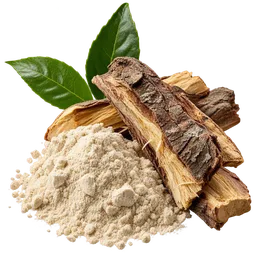
Dihydromyricetin, often shortened to DHM, is a flavonoid found in vine tea and Hovenia dulcis, also called the Japanese raisin tree. It has a long history of interest in East Asian herbal traditions, while modern supplements usually isolate and concentrate the compound.1
In animal research, DHM interacts with GABA-A receptors, the brain's brake-pedal signaling system that alcohol pushes hard.1 Think of it as adjusting a brake that alcohol has pressed too far, rather than sweeping alcohol out of your body. That receptor finding does not establish that DHM reliably eases fatigue or headache in people.1
Bottom line
DHM is a reasonable topic to watch if you are curious about alcohol-related fatigue or headache, but it is not a proven solution for either. Skip it if you want a reliably evidence-based hangover strategy, and take the listed liver and kidney related safety signals and medication interactions seriously.
Common questions
Does dihydromyricetin help with hangovers?
What is dihydromyricetin made from?
Can you take dihydromyricetin before drinking alcohol?
Sources
Sources
Generated August 27, 2026