Loquat
1 studies read · 0 answers · 1 sources
Loquat does not have enough human evidence to establish reliable benefits for blood sugar, liver, kidney, or cardiovascular outcomes in adults.
How to take it
Loquat leaf is not a strong pick if you want a supplement with clear human evidence and an established dose. It is more reasonable to wait for better controlled trials, especially if you are considering it for blood sugar, liver, kidney, or cardiovascular goals. Choose food-first habits and clinician-guided care for those concerns.
How much
There is no well-supported human dose range for loquat leaf extract. One paper across a wide set of consumer-facing claims is not enough to turn a product label into an evidence-based protocol. 1
When
No reliable clinical protocol establishes whether loquat works best in the morning, evening, with food, or on a split schedule. Until controlled human trials define a routine, avoid treating timing advice from product marketing as proven guidance. 1
Which form
Loquat supplements commonly use leaf extract, while loquat fruit is a food with a different composition. Look for a product that clearly identifies the plant part and extract details, but recognize that no specific extract or standardization currently has strong human trial support. 1
How it works
Loquat leaf gets marketed for almost everything from blood sugar to liver support. The catch is simple: the human evidence is still far too thin to tell you what it reliably does.
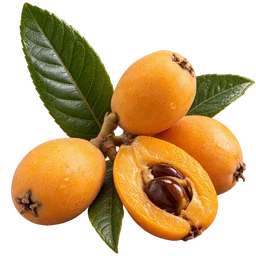
Loquat comes from Eriobotrya japonica, an evergreen tree that produces small orange fruit. Supplements usually contain an extract from the leaves, not the fruit you might eat fresh. Traditional use makes loquat interesting, but tradition and proven results are different things.
Loquat leaves contain plant compounds that researchers are exploring in lab and animal models, but no human mechanism has been established for a supplement outcome. Think of the current evidence as a sketch of a machine, not proof that the machine works in people. 1