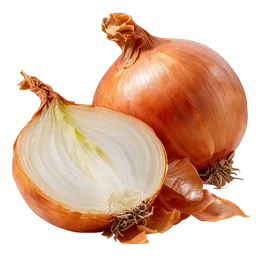
Onion
What the trials found
Onion supplements do not establish a dependable benefit for specific health outcomes because human clinical evidence remains too sparse and scattered across outcomes.
- 5 papers
- 0 of 31 outcomes
- 1 severe
Risk, worst reported severity
- uterine cancer severe
- fatty liver (diagnosed during study) moderate
Dose, timing & forms
How much
The available clinical evidence does not establish a dependable onion supplement dose for a specific goal. Different studies and products use different onion materials, which makes a single evidence-based daily target misleading.1 Treat any label dose as product-specific, not as a proven therapeutic amount.
When and how long
Research does not establish a best time of day for onion supplements. Taking a concentrated product with a meal is a practical way to judge stomach tolerance, especially because brief nausea or abdominal discomfort has appeared in the reviewed safety reports. Use it consistently only if you and your clinician decide the product fits your situation, rather than expecting an occasional dose to produce a measurable result.1
Forms & standardisation
Do not treat fresh onion, onion powder, onion juice, onion peel extract, and isolated quercetin as interchangeable. Processing changes which sulfur compounds survive and can concentrate flavonoids from the peel, so look for a label that clearly names the plant part, extraction method, and any quercetin standardization.12 No onion form currently has enough consistent human evidence to earn a clear best-in-class label.
Adverse events and drug interactions
Safety events
What this is and how it works
- Across 5 papers, no reliable pooled effect size establishes a noticeable benefit for any specific outcome.1
- The reviewed evidence spans 31 outcomes, with no single outcome supported by a robust clinical evidence base.
- Concentrated onion products can cause stomach symptoms and differ substantially from onions eaten as food.
Onion comes from Allium cepa, the same bulb vegetable that shows up in red, yellow, white, and sweet varieties. Along with its sharp smell, it carries flavonoids such as quercetin and sulfur-containing compounds that plants use for defense.2 Supplements often use dried bulb, juice, peel, or a concentrated extract, so two products labeled “onion” can contain very different chemical mixes.12
When you chop an onion, its cells break open and combine stored ingredients into pungent sulfur compounds. Think of it like snapping a glow stick: breaking separate compartments starts a chemical reaction, although a supplement’s final compounds depend heavily on how manufacturers process it.2 Researchers are exploring how onion flavonoids and sulfur compounds interact with cell signaling involved in oxidative stress and inflammation, but the small clinical record does not yet connect that biology to a dependable consumer outcome.12
Bottom line
If you enjoy onions as food, keep them in the rotation for flavor and plant variety. A concentrated onion supplement makes less sense for someone chasing a specific health outcome because the clinical evidence remains too thin to promise one.1 People with a complex medical history, or anyone who develops stomach symptoms, should talk with a clinician before continuing a concentrated product.
Common questions
Does an onion supplement offer the same benefits as eating onions?
Can onion supplements lower blood sugar?
What is the best onion supplement to buy?
Sources
Sources
Generated August 27, 2026