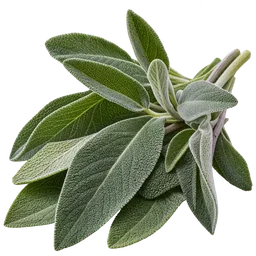
Salvia
What the trials found
Salvia (unspecified) has insufficient human evidence for reliable benefits across the reviewed health outcomes, because species and extract identity are unclear.
- 1 papers
- 0 of 5 outcomes
- 1 severe
Risk, worst reported severity
- convulsions / seizure severe
- gastrointestinal discomfort mild
Dose, timing & forms
How much
There is no evidence-based general dose for an unspecified Salvia supplement. The reviewed human evidence is too limited, and a product label that omits the species prevents a meaningful comparison between its dose and a research protocol.1 Do not borrow doses from studies of a named Salvia species and assume they apply here.
When and how long
No reliable timing routine is established for Salvia when the species and preparation are unspecified. Use the label to identify the exact botanical before trying to match a product to any clinical protocol, and do not treat it as an occasional substitute for a studied, clearly defined extract.1
Forms & standardisation
Look for the full Latin species name, the plant part, and whether the product is a tea, powder, tincture, essential oil, or standardized extract. Those details are not cosmetic. They determine what compounds you consume, and “Salvia” alone does not identify a clinically studied form.1
Adverse events and drug interactions
Safety events
What this is and how it works
- No reliable clinical effect estimate is available for Salvia (unspecified) across the reviewed outcomes.1
- One paper reviewed here spans five outcomes without defining a species, dose, or clinical population.
- Species and extract identity prevent clinical findings from being generalized across Salvia products.
Salvia is a broad genus of aromatic plants that includes many kinds of sage. Different species, leaves, roots, oils, and extracts carry very different chemical profiles, so “Salvia” is not one consistent supplement ingredient.1
Bottom line
Skip vague Salvia products if you want an evidence-based supplement choice. The species and extract need clear identification before clinical findings, dosing, or safety expectations mean much, and the limited reviewed evidence does not justify broad promises.1 Given the reported seizure, gastrointestinal, and blood sugar concerns, caution matters more than experimentation here.
Common questions
What is Salvia supplement used for?
Is Salvia the same thing as sage?
What dose of Salvia should I take?
Who should avoid unspecified Salvia supplements?
Sources
Sources
Generated August 27, 2026
Related