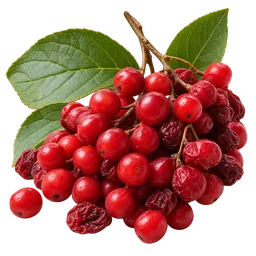
Schisandra
What the trials found
Schisandra shows promising but unsettled early human evidence for energy-related and liver-related outcomes, while support for sleep, metabolism, and liver problems remains insufficient for confident conclusions.
- 3 papers
- 0 of 12 outcomes
- 10 major interactions
Risk, worst reported severity
- headache mild
- dizziness mild
- midazolam major
- tacrolimus major
Dose, timing & forms
How much
There is no single evidence-backed schisandra dose that fits every goal. The small human evidence base uses extract-specific protocols, so use the outcome table as the starting point and do not treat a milligram amount from one extract as interchangeable with another.1 For a first trial, choose one standardized product and judge your response over the same daily timeframe used in its protocol, rather than stacking several schisandra products at once.1
When and how long
Consistency matters more than chasing an immediate effect. Take schisandra at the same time each day and follow the meal instructions used for your specific extract, since food can change how botanical compounds feel and absorb.1 Morning or early afternoon is a sensible first test if you are using it for daytime resilience, while anyone who notices alertness or sleep disruption should avoid late-day use.1
Forms & standardisation
Look for a product that identifies the botanical name, Schisandra chinensis, the plant part, and a standardized lignan content when available. Fruit powder, juice, and concentrated extracts are not equivalent preparations, so the strongest practical move is matching the product form to the form studied in the protocol you choose.1 Be especially cautious with blends that hide individual extract amounts behind a proprietary formula.3
Adverse events and drug interactions
Safety events
Drug interactions
What this is and how it works
- Three reviewed papers reported the strongest signals for energy-related and liver-related outcomes, without a quantified pooled effect.1
- The review covered 3 papers spanning 12 outcomes across Schisandra preparations and human applications.1
- Prescription-drug interaction risk makes unsupervised Schisandra use inadvisable, especially alongside medications.3
Schisandra comes from the bright red fruit of Schisandra chinensis, a climbing vine used in East Asian and Russian herbal traditions. Its berries contain lignans, plant compounds that make the extract chemically different from a simple berry powder.1
Schisandra lignans interact with the cell's stress-response controls, including systems that regulate antioxidant defenses and drug-processing enzymes.1 Think of those controls as a building's maintenance panel: they direct cleanup crews and adjust how quickly certain chemicals move through the system. These actions explain scientific interest, but they do not yet establish a reliable real-world benefit for sleep, muscle function, metabolic health, or liver outcomes.12
Bottom line
Schisandra suits someone who wants to explore a traditional botanical with early, not definitive, human evidence for energy-related and liver-related outcomes. It does not suit anyone who expects a proven fix for sleep, metabolism, or liver problems. Skip self-experimentation without clinical guidance if you take prescription medicines, because interaction risk is a real concern.13
Common questions
What does schisandra do?
Is schisandra good for the liver?
Can schisandra interact with medicines?
When should you take schisandra?
Sources
Sources
Generated August 27, 2026
Related