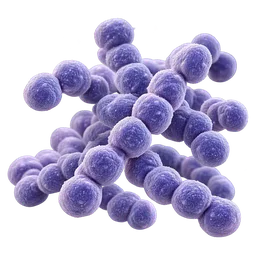
Streptococcus salivarius
Best for
Fewer cavities
Promising early signal 12 weeks 1 study, n=60 #5 of 11 studied
- 2 papers
- 2 of 3 outcomes
- 2 positive
Streptococcus salivarius shows a promising early signal for cavity-related outcomes in children, while evidence across gum and plaque outcomes remains too limited for confident conclusions.
What streptococcus salivarius actually does
Cavities form when tooth decay breaks down enamel, the hard outer layer of a tooth. 39057009
| Outcome | Effect | Evidence | Dose | Time | Rank |
|---|---|---|---|---|---|
| Worth watching 1 | |||||
| Fewer cavities Promising early signal Cavities form when tooth decay breaks down enamel, the hard outer layer of a tooth. | | 1 RCT 1 papers · n=60 | 500000000 other | 12 wk | #5 /11 |
| Early research 1 | |||||
| Healthier gums Barely detectable Gums help hold teeth in place, and inflammation can lead to bleeding and damage around teeth. | | 2 RCTs 2 papers · n=117 | 500000000 other | 4–12 wk | #8 /12 |
Effect tiers come from native-unit MCID where available, Cohen's d otherwise.
Dose, timing & forms
How much
The early plaque study used 500 million colony-forming units daily of a named S. salivarius strain for a sustained course, not an occasional probiotic dose.1 That is a useful research anchor, but the evidence is still too thin to claim a proven dose for preventing cavities or improving gums. Follow the specific product's strain and viable-count directions rather than combining multiple oral probiotics.
When and how long
Use it consistently every day across the study-length time frame, since an oral probiotic needs repeated contact with the mouth rather than a one-off dose.1 A lozenge or slowly dissolved tablet fits this goal better than swallowing it quickly with a drink. Taking it after brushing and avoiding food or drinks immediately afterward gives the bacteria more time in the mouth, although this practical step has not been tested as a head-to-head timing comparison.
Forms & standardisation
Look for the full strain name, especially S. salivarius M18, rather than the species name alone. M18 is the strain tied to the early plaque and caries-risk research, while other strains such as K12 have different research histories.1 Choose a product that states the viable count through expiry and uses an oral lozenge, chewable, or dissolving tablet designed for mouth contact.
What this is and how it works
- One study (n=60) reported positive findings across four cavity-related endpoints in children. 1
- Two papers reviewed here span three consumer-relevant outcomes, including cavities, plaque, and gum health.
- Evidence remains early because cavity protection rests on a single small study in children.
Streptococcus salivarius is a bacterium that naturally lives in many healthy mouths, especially on the tongue and throat. Supplements use selected strains, most often M18 or K12, as dissolvable lozenges or oral tablets so the bacteria contact the places where they are meant to work. The strain name matters because different versions of the same species do different jobs.
The M18 strain makes bacteriocins, which are narrow-target antimicrobial proteins that give it an edge against certain competing mouth bacteria. It also carries urease activity, which can turn urea in saliva into ammonia and make the mouth less acidic, like adding a small buffer to acid that would otherwise press on enamel.1 Early clinical research links this approach with less plaque, but it has not yet established a dependable cavity-prevention effect.1
Bottom line
Streptococcus salivarius M18 is worth watching if you want to add an oral probiotic to a solid brushing, fluoride, and interdental-cleaning routine. The plaque signal is interesting, but cavity protection remains unproven and the gum findings are barely detectable. Skip grand promises, especially if you have active tooth pain, bleeding gums, or a dental infection that needs professional care.
Common questions
Does Streptococcus salivarius prevent cavities?
Which Streptococcus salivarius strain is best for teeth?
Can Streptococcus salivarius improve gum health?
Sources
Sources
Generated August 27, 2026
Related