Sulforaphane
25 studies read · 0 answers · 3 sources
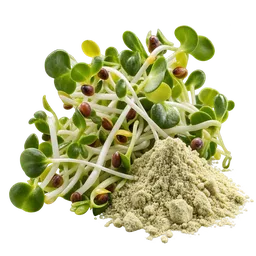
Sulforaphane shows biologically plausible but insufficiently established benefits across human outcomes, with the strongest signals limited to autism-related behavior and pollutant detoxification rather than broad wellness effects.
How to take it
Sulforaphane is a reasonable pick for people who want to try a broccoli-sprout compound with a biologically credible mechanism and are comfortable with early, uneven clinical evidence. The most attention-grabbing human findings come from a small, specific population, so do not treat them as proof of broad brain, mood, or wellness benefits. 1 Skip casual self-experimenting if you have ongoing medical issues or are managing medicines, and discuss it with a clinician first.
How much
The clearest trial protocol used broccoli-sprout extract supplying 50 to 150 micromoles daily for 18 weeks in young men with autism spectrum disorder. That small trial reported improvements on several behavior measures during treatment, but it does not establish a universal dose or a broad benefit for everyone. 1 Product labels often list milligrams of glucoraphanin instead, so milligram-for-milligram comparisons between products can mislead. 2
When
Use it consistently rather than saving it for stressful days or occasional detoxes. The better-known randomized protocol used a daily dose over months, not an acute single-use approach. 1 Taking a product with food is a practical choice if it causes nausea or bowel discomfort, but clinical studies have not established a single best clock time. 1
Which form
Look closely at whether a label lists preformed sulforaphane or glucoraphanin, its plant precursor. A glucoraphanin product also needs a reliable conversion strategy, often myrosinase from broccoli seed or mustard seed, because conversion determines how much sulforaphane you actually generate. 2 Broccoli-sprout preparations have the most recognizable human trial history, but formulations differ enough that one product's dose does not automatically translate to another. 1
Who should be careful
Reported side effects
- cholecystitis (hospitalization) severe
- COPD exacerbation (hospitalization) severe
- nausea moderate
- withdrawal due to bowel discomfort moderate
- transaminase elevation (liver enzymes) moderate
- Abdominal pain moderate
- bloating mild
- diarrhea mild
Bottles worth buying
Dosed where the research is, in a clean formula, from audited brands. Not sponsored.


How it works
Broccoli sprouts contain a compound that tells your cells to turn up their own cleanup crew. The biology is compelling, but the human results still need more proof.
Sulforaphane is a plant compound created when you chew, chop, or process cruciferous vegetables, especially broccoli sprouts. The plant stores a precursor called glucoraphanin, then an enzyme helps convert it into sulforaphane when the plant tissue breaks open. 2
Sulforaphane activates Nrf2, a protein that switches on genes involved in antioxidant and chemical-processing defenses. Picture Nrf2 as the manager who unlocks the maintenance closet, sending out the enzymes that handle everyday cellular wear and tear. 2 Human research also shows that broccoli-sprout drinks can increase the body's removal of certain airborne pollutants, which fits this detoxification pathway. 3
Common questions
What does sulforaphane do in the body?
Is sulforaphane the same as eating broccoli?
How long does sulforaphane take to work?
Sources
- 1. Sulforaphane treatment of autism spectrum disorder: a double-blind, randomized trial (2014)
- 2. The phytochemical sulforaphane: from plant to clinical trials (2016)
- 3. Rapid and sustained detoxication of airborne pollutants by broccoli sprout beverage: results of a randomized clinical trial in China (2014)