Can I take a sleep gummy after drinking alcohol?
Nov 17, 2026 · 2 min read · 5 sources
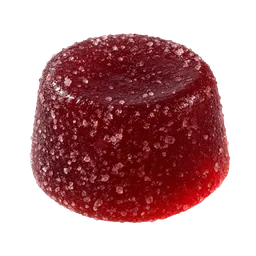
Sleep gummies after alcohol add sedation and do not fix alcohol-disrupted sleep.
You got home late, had a few drinks, and now the gummy on the nightstand looks like damage control. It usually is not.
I would not take the sleep gummy tonight after drinking. The one exception is not a gummy exception, it is a safety exception: if you accidentally combined alcohol with a sedating sleep aid and now have severe confusion, trouble breathing, repeated vomiting, or cannot stay awake, get urgent help.
Alcohol already pushed your sleep in the wrong direction
The tempting logic is simple: alcohol made you tired, the gummy might help you fall asleep, so maybe the two together get you to sleep faster. The problem is that sleep onset is not the whole night.
A review on alcohol and the sleeping brain describes the pattern clearly: alcohol can shorten sleep onset early in the night, when blood alcohol levels are higher, then disrupt sleep quality later as alcohol is metabolized.1 A separate review of normal sleep studies found delayed first REM sleep and reduced total-night REM after alcohol, with effects varying by dose, age, and sex.5
So the gummy is aiming at the easiest part of the problem, falling asleep, while alcohol is already setting up the harder part, fragmented sleep and poorer sleep architecture. If you are awake because you drank late, the cleaner move is boring: water if you want it, food if you need it, lights down, no driving, no extra sedatives.
The ingredient changes the risk, not the alcohol
Most people say “sleep gummy” as if it means one thing. It does not. The label matters.
If it contains diphenhydramine, treat it as a medication, not a wellness gummy. FDA labeling for nighttime sleep-aid drug products includes diphenhydramine as an OTC sleep-aid ingredient, and diphenhydramine labeling warns that it has additive effects with alcohol and other central nervous system depressants.2 If it contains doxylamine, the answer is also no. A current DailyMed doxylamine sleep-aid label says to avoid alcoholic beverages and take it only at bedtime.3
If it contains melatonin, the risk is usually less dramatic than with antihistamine sleep aids, but I still would not combine it with drinking. NCCIH notes that melatonin supplements can cause side effects including headache, dizziness, nausea, and sleepiness, and that dietary supplement regulation is different and less strict than prescription or OTC drug regulation.4 That matters more with gummies because you may not be dealing with a precise, pharmacy-style product.
If the gummy contains CBD, kava, valerian, or a blend with words like “calm,” “relax,” or “nighttime,” I would be even more conservative. You are no longer making a melatonin decision. You are stacking sedating substances after alcohol, often without good human data on that exact combination.
The thing that does not matter as much: finding the perfect waiting time
People want a rule: wait two hours, wait four hours, wait until you feel sober. I would not build your decision around a universal interval. Alcohol clearance varies by body size, sex, food, dose, liver function, sleep deprivation, and what else you took. A gummy label rarely knows any of that.
The decision I would make today is simpler: skip the gummy on drinking nights. If you need a sleep aid often, separate that question from alcohol and pick a plan for normal nights. If the gummy is melatonin, keep it low-dose and timed for your actual sleep schedule. If the gummy is an antihistamine, do not treat it as harmless candy. If you are drinking specifically to sleep, that is the bigger problem to solve, because the literature does not support alcohol as a good sleep strategy.1,5
Supplements in this article
-
Melatonin
Better sleep quality · Probably helps a little
-
diphenhydramine
-
doxylamine
-
cbd
-

Valerian
Staying asleep through the night · Probably helps a little
-
kava
Worth knowing
- Alcohol clearance and sedative response vary too much by person, dose, food, timing, and co-use of other substances.
- Drugs such as zolpidem, benzodiazepines, and sedating antidepressants have their own alcohol warnings and can carry higher risk.
- Sleep gummies vary widely and may contain antihistamines, CBD, botanicals, amino acids, or multiple sedating ingredients.
Common questions
Can I take a melatonin gummy after one drink?
What if my sleep gummy has diphenhydramine or doxylamine?
What should I do instead if I drank and cannot sleep?
Sources
- 1. Alcohol and the Sleeping Brain (2014) Primary sleep architecture evidence for alcohol disrupting sleep later in the night.
- 2. Diphenhydramine Hydrochloride Injection Label (2013) Regulatory labeling support for diphenhydramine and alcohol additive CNS depression.
- 3. DailyMed: Sleep Aid 25 mg, Doxylamine Succinate Tablet (2025) Current label warning to avoid alcoholic beverages with doxylamine sleep aid.
- 4. Melatonin: What You Need To Know (2026) NIH safety and regulatory context for melatonin supplements.
- 5. Alcohol and Sleep I: Effects on Normal Sleep (2013) Review-level support for alcohol effects on REM sleep and dose variation.