Why does my sleep gummy have so many ingredients?
Nov 16, 2026 · 2 min read · 5 sources
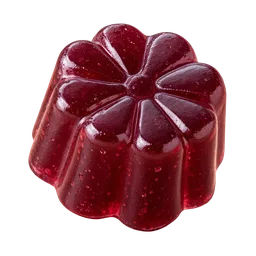
Sleep gummies often combine ingredients to market several sleep benefits, not because every ingredient needs to be combined.
You bought a sleep gummy expecting a simple bedtime helper. Then the label looked like a tiny supplement aisle: melatonin, magnesium, GABA, L-theanine, chamomile, lemon balm, and maybe more.
I would not buy the gummy with the longest ingredient list. I would buy the one with the clearest job: low dose melatonin if your sleep timing is off, or one clearly dosed calming ingredient if stress is the issue.
The blend is usually built for the label, not the trial
Most sleep gummies are trying to look complete. Melatonin signals bedtime. Magnesium sounds gentle. GABA and L-theanine sound calming. Chamomile and valerian make the product feel familiar. That combination can be appealing at 10 p.m., but it does not mean the exact blend has been tested.
The strongest practical reason to be cautious is label accuracy. In a JAMA research letter that tested 25 melatonin gummy products sold in the United States, actual melatonin content ranged from 74 percent to 347 percent of the labeled amount. One product contained no detectable melatonin, and cannabidiol was also inconsistently labeled in products that listed it.1 A separate analysis of 30 melatonin supplements found an even wider range, from 83 percent below the label to 478 percent above it, and detected serotonin in 8 products.2
That is why a crowded gummy can be a bad buy. If the active ingredient is already hard to trust, adding five more sleepy-sounding compounds does not fix the problem. It just makes it harder to know what made you groggy, what helped, and what gave you a weird morning.
The ingredients overlap, but the evidence does not stack cleanly
Melatonin is mainly a timing signal. The American Academy of Sleep Medicine guideline for chronic insomnia in adults suggests clinicians not use melatonin as a general insomnia treatment, based on the evidence it reviewed.3 That does not make melatonin useless. It means a melatonin gummy is a better fit for circadian timing problems than for every version of “I can’t sleep.”
Magnesium has a small sleep evidence base. One double-blind trial in 46 older adults used 500 mg elemental magnesium daily for 8 weeks and reported improvements in insomnia severity and some sleep measures.4 Useful clue, small study, specific audience. It does not prove that a small amount of magnesium in a gummy helps a healthy 30-year-old fall asleep tonight.
GABA has small human trials too. A randomized, double-blind, placebo-controlled trial of 40 people with insomnia symptoms tested 300 mg natural GABA daily and measured sleep with polysomnography.5 That is a real dose and a real outcome. Many gummies do not give that much, or they bury GABA inside a blend.
The same logic applies to herbs. Valerian and chamomile have studies and reviews, but products differ by extract, dose, and plant preparation. A gummy that sprinkles in several botanicals is not the same thing as a trial of a standardized extract.
Buy for your actual sleep problem
If your problem is jet lag, a delayed sleep schedule, or Sunday-night timing drift, I would consider a low dose melatonin product from a brand that publishes third-party testing. I would avoid mega-dose gummies unless you know you need them.
If your problem is stress arousal, I would not start with a melatonin pile-on. I would choose one calming ingredient at a transparent dose, then judge it for a week. If it does nothing, stop. Do not keep adding sedatives because a label implies synergy.
The honest alternative case is simple: a blend might fit if you have used those exact ingredients separately, tolerated them, and want convenience. But if you are sensitive to grogginess, take other sedating products, use cannabis or alcohol at night, are pregnant, or are buying for a child, skip the kitchen-sink gummy. In those cases, unknown dose accuracy and overlapping sedation are the wrong trade.
Supplements in this article


Worth knowing
- Formulas change often, and brand-specific claims need current certificates of analysis.
- Children are more sensitive to dosing errors, and melatonin gummy exposure is a separate safety issue.
- The AASM guideline recommends against melatonin for chronic insomnia treatment in adults based on its evidence review.
Common questions
Why do sleep gummies combine melatonin with herbs and amino acids?
Is a sleep gummy with more ingredients stronger?
What should I look for instead?
Sources
- 1. Quantity of Melatonin and CBD in Melatonin Gummies Sold in the US (2023) primary evidence for melatonin gummy label variability
- 2. Melatonin Natural Health Products and Supplements: Presence of Serotonin and Significant Variability of Melatonin Content (2017) melatonin supplement variability and serotonin contamination
- 3. Clinical Practice Guideline for the Pharmacologic Treatment of Chronic Insomnia in Adults (2017) guideline context for melatonin and chronic insomnia
- 4. The Effect of Magnesium Supplementation on Primary Insomnia in Elderly: A Double-Blind Placebo-Controlled Clinical Trial (2012) small magnesium insomnia trial in older adults
- 5. Safety and Efficacy of Gamma-Aminobutyric Acid from Fermented Rice Germ in Patients with Insomnia Symptoms (2018) GABA trial dose and objective sleep outcome context