Can a sleep supplement help if I’m just not spending enough time in bed?
Nov 19, 2026 · 2 min read · 4 sources
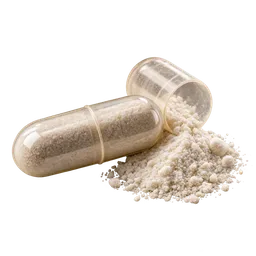
Melatonin cannot replace missing time in bed; melatonin modestly shortens time to fall asleep in people with primary sleep disorders.
This is the person who falls asleep fine at midnight, wakes at 6, and wonders whether a capsule can make those six hours count more.
No. If you are not spending enough time in bed, I would not buy a sleep supplement first. I would protect the extra 30 to 60 minutes you are missing, with one exception: if your body clock is shifted late and you cannot fall asleep when you try to go earlier, low dose melatonin timed before bed can be reasonable.
The supplement can shorten the runway, not add a runway
The adult sleep target is not mysterious. The American Academy of Sleep Medicine and Sleep Research Society recommend that healthy adults sleep at least 7 hours per night on a regular basis.1 That is sleep, not just being in the bedroom. If you are in bed from midnight to 6:15, a supplement has almost no room to help. Even a perfect pill would have to make you unconscious instantly and keep you asleep until the alarm.
Melatonin is the obvious product people reach for, and the evidence is real but small. In a 2013 PLOS One meta-analysis of randomized placebo controlled trials in primary sleep disorders, melatonin reduced sleep onset latency and increased total sleep time. The total sleep time gain was about 8 minutes versus placebo.2 That can matter if you lie awake for a long time. It is not a substitute for an hour you never scheduled.
So the split is simple. If your problem is insomnia, jet lag, or a delayed sleep schedule, a targeted sleep aid might help the timing. If your problem is work, scrolling, childcare, late workouts, or revenge bedtime procrastination, the supplement is not the lever.
The conditions that change the answer
The answer changes when you are giving yourself enough sleep opportunity but wasting it awake. If you are in bed for eight hours and spending 60 to 90 minutes unable to fall asleep, melatonin is at least a rational experiment. Keep the dose boring. More is not automatically better, and the main goal is timing, not sedation.
The answer also changes if caffeine is stealing the sleep you think you are allowing. A 2023 systematic review and meta-analysis found caffeine reduced total sleep time by 45 minutes on average, lowered sleep efficiency by 7 percent, increased sleep onset latency by 9 minutes, and increased wake after sleep onset by 12 minutes.3 If your afternoon coffee is still in the picture, fixing that is more evidence based than stacking magnesium, glycine, apigenin, and melatonin at 11:30.
The thing you may have heard that matters less than people claim: sleep “quality” cannot fully compensate for short sleep opportunity. Deep sleep is not a coupon that turns six hours into eight. Supplements can nudge sleep onset or perceived quality in some settings. They do not erase the arithmetic of a short night.
The decision today
For the next seven nights, do the unglamorous test. Move your lights out time 30 minutes earlier and set the same wake time. Cut caffeine at least 8 hours before bed if you are sensitive or if your sleep is short. Do not add a supplement during that week, because you will not know what fixed what.
If you still cannot fall asleep after creating the time, then test one variable. Melatonin is the cleanest first experiment when the issue is timing. If you snore loudly, wake choking, feel dangerously sleepy while driving, or need alcohol to sleep, that is not a supplement aisle problem. That is the point to get medical help.
Supplements in this article

Worth knowing
- Timing strategies can be different when the schedule itself conflicts with the body clock.
- Those can point to sleep apnea or another condition that needs evaluation.
- Melatonin exposure in children has raised safety concerns, including a large rise in reported pediatric ingestions from 2012 to 2021.
Common questions
Can a sleep supplement make six hours of sleep enough?
What if I only have six hours available?
Is melatonin useless?
Sources
- 1. Recommended Amount of Sleep for a Healthy Adult: A Joint Consensus Statement of the American Academy of Sleep Medicine and Sleep Research Society (2015) Defines adult sleep duration recommendation
- 2. Meta-Analysis: Melatonin for the Treatment of Primary Sleep Disorders (2013) Primary evidence for modest melatonin effect size
- 3. The effect of caffeine on subsequent sleep: A systematic review and meta-analysis (2023) Evidence for caffeine as a confound in short sleep
- 4. Pediatric Melatonin Ingestions, United States, 2012 to 2021 (2022) Safety caveat for pediatric melatonin exposure