Brazil Nut
3 studies read · 0 answers · 3 sources
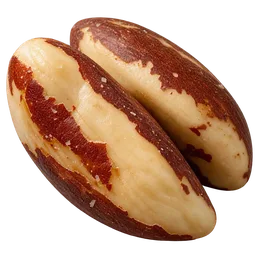
Brazil nuts show a faint early signal for thyroid-related outcomes, including maternal and fetal thyroid needs, but evidence is too limited to establish a proven supplement benefit.
How to take it
Brazil nuts make sense for someone who enjoys them and wants a food source of selenium, but they are not a proven thyroid supplement. The thyroid evidence is early, small in effect, and too thin to guide treatment decisions.3 Skip the do-it-yourself high-dose approach if you already take selenium or are pregnant and have thyroid concerns. Get individualized guidance from your prenatal clinician.
How much
The only thyroid-focused protocol used 13 g daily of Brazil nuts for about 13 weeks.3 That is a small weighed portion, not an invitation to snack freely from a bag. Since the thyroid signal is faint and the measured thyroid outcomes did not show a clear significant effect, there is no evidence-based higher dose to chase.3
When
Use Brazil nuts as a consistent daily food if you choose to follow the studied approach, rather than taking them only when you feel low on energy.3 The trial duration was roughly three months, so thyroid blood markers, not same-day sensations, were the relevant outcome.3 Taking them with a meal is a practical choice, although the trial evidence does not establish a best time of day.3
Which form
The research uses whole Brazil nuts, not a standardized Brazil nut extract.2,3 A food scale gives more control than counting nuts because their selenium content varies sharply by origin.1,2 If you want a predictable selenium dose, a labeled selenium product is easier to quantify than a variable whole food, but it is not interchangeable with the Brazil nut trials.
How it works
Brazil nuts look like an ordinary snack, yet their selenium content can turn a tiny serving into a very large nutritional dose.
Brazil nuts are large seeds from a rainforest tree in South America. Their standout nutrient is selenium, a mineral your body uses in several protective enzymes and in thyroid hormone processing.1 The catch is that selenium levels swing widely from nut to nut because soil selenium differs across growing regions.1,2
Selenium helps build enzymes that switch thyroid hormone into its active form and help shield thyroid tissue from normal oxygen-related wear and tear.1 Think of selenium as a tiny replacement part in both the thermostat's control circuit and its surge protector. Brazil nuts raise selenium status efficiently, but the available thyroid trials remain small and early.2,3