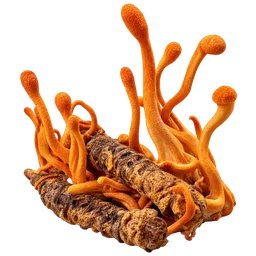
Cordyceps
What the trials found
Cordyceps has preliminary human evidence for exercise performance and broader wellness, but no reliable across-outcome benefit is established.
- 7 papers
- 0 of 38 outcomes
- 1 severe, 1 major interaction
Risk, worst reported severity
- nephrotoxicity severe
- postoperative bleeding / prolonged bleeding moderate
- sertraline major
- PA-824 moderate
Dose, timing & forms
How much
There is no well-established universal cordyceps dose for healthy consumers because the human trials are few and the products are not interchangeable. The exercise trial in older adults used a defined Cordyceps sinensis supplement over weeks, not a one-time pre-workout serving, so copying a generic mushroom-powder dose from a label does not recreate the research protocol.1 Use the product-specific dose in the accompanying evidence table as context, rather than treating more powder as better.
When and how long
Cordyceps is a daily-use supplement in the available exercise research, not something tested as an occasional energy shot immediately before activity.1 The limited trial record does not establish a best time of day, a need to split doses, or a clear advantage of taking it with food. Pick a consistent time only after checking that the product fits your medications and health history.2
Forms & standardisation
Species and extract details matter more than the front-label mushroom image. Choose a product that identifies Cordyceps militaris or Cordyceps sinensis, states the fungal material used, and gives an extract ratio or named standardization where available.2 Avoid assuming that a blended “mushroom complex” matches the defined product used in a clinical trial.1
Adverse events and drug interactions
Safety events
Drug interactions
What this is and how it works
- Exercise-performance evidence comes from one study in healthy older adults, with no pooled effect size or MCID comparison available.1
- Seven papers reviewed here span 38 outcomes, covering performance and broader wellness claims.
- Evidence remains preliminary, with findings limited by small populations, varied preparations, and inconsistent outcome measures.
Cordyceps refers to a group of fungi used in traditional practices, most often sold as cultured Cordyceps militaris or as products labeled Cordyceps sinensis. Wild Cordyceps sinensis is now more accurately called Ophiocordyceps sinensis, and commercial products vary widely in species, growing method, and extract strength.2
Cordyceps contains cordycepin and related nucleoside compounds that researchers study for their effects on cellular energy sensing and immune signaling.2 Picture a cell's energy controls like a phone's battery settings: these compounds appear to nudge the settings that govern how the cell spends and conserves fuel, but that laboratory biology does not prove a noticeable benefit in daily life.2
Bottom line
Cordyceps suits people who are curious about a traditional mushroom and accept that the human evidence for performance and broader wellness remains preliminary.1 It is a poor casual choice if you take interacting medicines, have kidney concerns, or are preparing for surgery. In that situation, get individual guidance before taking it.2
Co-studied with
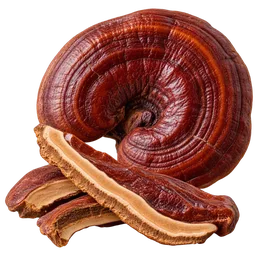 Reishimushroom8 shared
· d=0.56
Reishimushroom8 shared
· d=0.56- Pleurotuseryngii8 shared · d=0.56
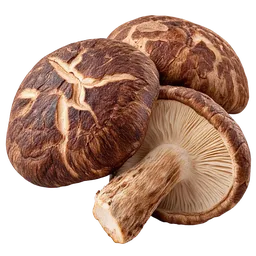 Shiitake8 shared
· d=0.56
Shiitake8 shared
· d=0.56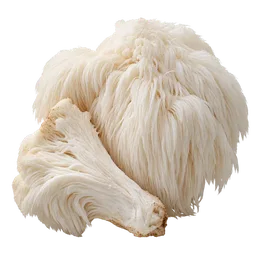 Hericiummushroom8 shared
· d=0.56
Hericiummushroom8 shared
· d=0.56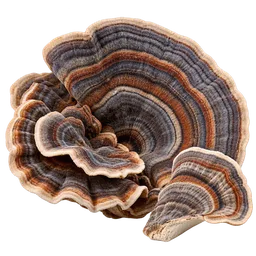 Coriolusmushroom8 shared
· d=0.56
Coriolusmushroom8 shared
· d=0.56- Hempprotein8 shared · d=0.56
- Arbutin5 shared · d=0.21
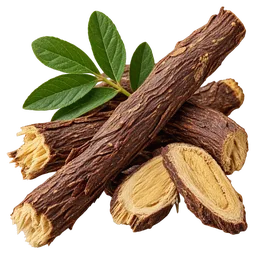 Licorice5 shared
· d=0.21
Licorice5 shared
· d=0.21
Common questions
Does cordyceps actually improve exercise performance?
What should I look for on a cordyceps label?
Who should avoid cordyceps?
Sources
Sources
Generated August 27, 2026