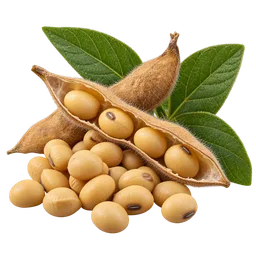
Isoflavones / Phytoestrogens
What the trials found
Isoflavones and phytoestrogens do not provide a proven all-purpose benefit for adults across menopausal symptoms, blood pressure, and broader health outcomes.
- 5 papers
- 0 of 13 outcomes
- 1 severe, 5 major interactions
Risk, worst reported severity
- autoimmune hepatitis severe
- postmenopausal haemorrhage moderate
- levothyroxine major
- vincristine major
Dose, timing & forms
How much
The available trial material does not establish one dependable general dose for isoflavones across weight, sleep, metabolic, cardiovascular, pain, or inflammation goals. Protocols differ substantially by extract, isoflavone content, population, and study length, so use the outcome-specific dosing information rather than treating one amount as a universal target.13
When and how long
Isoflavones work as a daily intervention in clinical research, not as an occasional supplement taken only when you want a quick effect.1 Follow the schedule used for the specific product and outcome, and do not assume that taking more often improves the result. If you use levothyroxine, get medication-specific timing advice from a pharmacist or clinician because the interaction matters.
Forms & standardisation
Look for a label that names the actual isoflavones, particularly genistein and daidzein, and states the amount of total isoflavones rather than only the weight of a soy extract.2 Food-based soy and concentrated isoflavone extracts are not interchangeable research interventions, so match the product form to the evidence you are using.2
Adverse events and drug interactions
Safety events
Drug interactions
What this is and how it works
- Quantitative effect estimates and MCID comparisons are not reported for the strongest outcomes in the supplied evidence summary 1.
- Five reviewed papers span 13 outcomes, including menopausal vasomotor symptoms, blood pressure, and broader human-health measures.
- Evidence varies by population, formulation, dose, and outcome, limiting conclusions about general use.
Isoflavones are naturally occurring plant compounds found most famously in soybeans and soy foods. Genistein and daidzein are the names worth recognizing on a label, since these are the isoflavones most often studied in supplements.2
Isoflavones fit into some estrogen receptors, especially estrogen receptor beta, like a spare key that turns some locks gently and others hardly at all.2 That selective signaling helps explain why researchers examine them across several areas of health, but it does not make a supplement equivalent to estrogen or guarantee a noticeable result.2
Bottom line
Isoflavones suit people who want to explore a soy-derived compound with a plausible biological target, not people looking for a proven all-purpose answer for weight, sleep, heart health, or metabolic markers. The reviewed evidence is limited and inconsistent across those goals. Skip self-experimenting if you take levothyroxine or prescription cancer medicines, and get individualized advice first.
Co-studied with
Common questions
Do phytoestrogens act like human estrogen?
Are soy isoflavone supplements the same as eating soy foods?
Can I take soy isoflavones with thyroid medication?
Sources
Sources
- 1. Soy isoflavones in the treatment of menopausal vasomotor symptoms: a systematic review and meta-analysis (2010) ↑
- 2. Isoflavones and human health: scientific issues and future directions (2009) ↑
- 3. Effect of soy isoflavones on blood pressure: a meta-analysis of randomized controlled trials (2015) ↑
Generated August 27, 2026
Related