Resveratrol
71 studies read · 2 answers · 1 sources
Resveratrol shows a promising early signal for softer fine lines and wrinkles, while evidence across other outcomes remains too limited for broad health claims.
What it does
Early findings (2)
-
Slower skin aging · May help a little
1 trial · 60 people · noticed in 8 weeks
-
Slower biological aging · Unclear if it helps
1 review of 5 trials · 267 people · noticed in 4–26 weeks
How to take it
Resveratrol is most interesting if you are curious about an early skin-aging signal and can keep expectations grounded. It does not yet earn a longevity supplement label, since changes in SIRT1-related markers are not proof of slower aging.1 Skip casual use if you take interacting prescription medicines or have a history of kidney concerns.
How much
For the early wrinkle finding, the studied protocol used 150 mg daily for 8 weeks. Research on antioxidant markers spans much wider intakes, roughly 40 to 1,000 mg daily, while SIRT1-linked measures have used substantially higher protocols, up to 3,000 mg daily. Those larger numbers reflect exploratory biomarker research, not a reason to chase a high dose for longevity.1
When
Use it consistently each day for the full study-style timeframe, not as an occasional add-on. The skin signal appeared after weeks of daily use, and SIRT1-related research also tracked changes across several weeks rather than after a single dose.1 If it upsets your stomach, taking it with a meal is a practical choice, but the available outcome data do not establish a superior time of day.
Which form
Look for a product that states the amount of trans-resveratrol, the form used in most human research. Oral capsules or tablets have the relevant trial coverage. A wine-derived marketing story is not a substitute for a clearly labeled, measured resveratrol dose.1
The dose that worked, by measure (3)
- Support overall antioxidant capacity
- 270 mg4–26 weeks
- Support SIRT1-linked defenses
- 1,520 mg14–26 weeks
- Soften facial wrinkles
- 150 mg8 weeks
Who should be careful
Medicines it can clash with
- paclitaxel major
- cyclosporine major
- midazolam major
- warfarin major
- antidepressants major
- methotrexate major
- bortezomib major
Reported side effects
- nephrotoxicity severe
- Cardiac inflammation severe
- Renal tubular necrosis severe
- Urinary tract infection (hospitalisation) severe
- Bowel blockage (hospitalisation) severe
- Oesophageal tear repair (hospitalisation) severe
- Pre-scheduled lumbar spine operation (hospitalisation) severe
Bottles worth buying
Dosed where the research is, in a clean formula, from audited brands. Not sponsored.
-

Resveratrol
NutraBio · 1,000 mg a day · brand audit 90
-

Resveratrol 250 mg
Swanson · 250 mg a day · brand audit 69
-

Resveratrol
Double Wood Supplements · 500 mg a day · brand audit 75
-

Resveratrol (500 mg)
BulkSupplements.com · 500 mg a day · brand audit 54
-

Resveratrol Powder 1000 mg
BulkSupplements.com · 1,000 mg a day · brand audit 54
-

Wild & Pure Resveratrol + 500 mg Trans-Resveratrol
Nature's Answer · 1,000 mg a day · brand audit 75
How it works
Resveratrol made red wine famous as a longevity clue. The human research tells a more interesting and much less magical story.
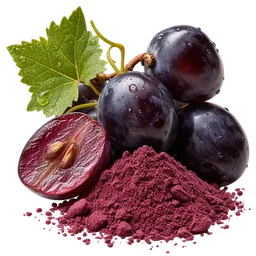
Resveratrol is a plant compound found in grape skins, berries, peanuts, and Japanese knotweed. Supplements usually supply concentrated resveratrol from Japanese knotweed rather than anything close to a glass of wine.
Resveratrol appears to influence SIRT1-related energy sensing, a cellular system that responds when fuel feels scarce. Think of it as nudging a building's power manager to inspect energy use and maintenance, rather than installing a brand-new repair crew.1 Human research also reports shifts in metabolic and gene-expression signals, but these marker changes do not establish slower aging.1