Nicotinamide Riboside
10 studies read · 1 answers · 3 sources
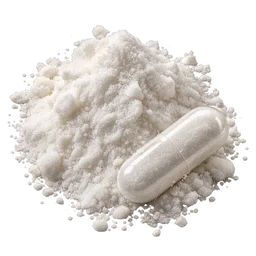
Nicotinamide riboside reliably raises NAD+ levels in healthy adults, but human trials have not established clear improvements in energy, athletic performance, weight, or age-related function.
What it does
Early findings (1)
-
More everyday energy, less fatigue · Unclear if it helps
1 trial · 58 people · noticed in 10 weeks
How to take it
NR makes the most sense for someone specifically interested in raising NAD+ and comfortable with the fact that the practical payoff remains unsettled. It is not a convincing first-choice supplement for energy, athletic performance, weight change, or reversing aging, because human trials have not established those benefits.2,3 If you have a medical condition, take prescription medicines, or develop side effects, discuss it with a clinician before continuing.
How much
Human studies commonly use daily NR doses from 250 mg to 1,000 mg, with several trials using 1,000 mg daily for a few weeks or longer.1,2,3 These protocols consistently raise NAD+ markers, but they do not establish a target dose for better energy, exercise performance, body composition, or healthy aging outcomes.2,3 More is not automatically better when the main proven result is a lab-measured increase in NAD+.
When
NR research uses it as a daily supplement, not an occasional boost. The human trials focus on sustained use over weeks, and they do not establish that morning versus evening dosing changes NAD+ response or noticeable outcomes.1,2,3 Choose a time you can repeat consistently, and take it according to the product directions if food affects your stomach comfort.
Which form
Look for a product that clearly names nicotinamide riboside and states the amount of NR per serving. The best human trial coverage comes from oral NR preparations, rather than vague blends marketed as NAD+ support.1,2 A label that lists NR does not prove broader anti-aging or performance benefits, because the clinical evidence establishes NAD+ elevation more clearly than those outcomes.2,3
Who should be careful
Reported side effects
- treatment-emergent adverse events (overall)
- Gastrointestinal disorders
- Infections and infestations
- General disorders and administration site conditions
- Respiratory, thoracic and mediastinal disorders
- Nervous system disorders
Bottles worth buying
Dosed where the research is, in a clean formula, from audited brands. Not sponsored.


How it works
Nicotinamide riboside, usually called NR, is a form of vitamin B3. Your body converts it into NAD+, a compound every cell uses to move energy from food into the chemical reactions that keep the cell running.1
NR supplies raw material for NAD+, which cells use to pass electrons through energy-making reactions and to run repair and stress-response enzymes.1,2 Think of NAD+ as the rechargeable shuttle that carries tiny electrical packages between stations in a cell's power system. Human trials establish that NR raises NAD+ related compounds, including in older adults and skeletal muscle.2,3
Common questions
Does nicotinamide riboside really raise NAD+?
Does nicotinamide riboside improve energy or exercise performance?
Is nicotinamide riboside the same as niacin?
How long does nicotinamide riboside take to work?
Sources
- 1. An open-label, non-randomized study of the pharmacokinetics of nicotinamide riboside and its effects on blood NAD+ levels in healthy volunteers (2017)
- 2. Chronic nicotinamide riboside supplementation is well-tolerated and elevates NAD+ in healthy middle-aged and older adults (2018)
- 3. Nicotinamide riboside augments the aged human skeletal muscle NAD+ metabolome and induces transcriptomic and anti-inflammatory signatures (2019)