Rose Hip
2 studies read · 1 answers · 2 sources

Rose hip does not yet have enough human evidence to support a clear benefit for skin appearance or body-weight outcomes, with research limited to two randomized studies.
What it does
Modest benefits
-
Less joint pain and stiffness · Probably helps a little
Joint pain and stiffness can limit movement and make everyday routines harder.
1 review of 3 trials · 306 people
How to take it
Rose hip is most interesting for someone who wants to experiment with an oral fruit powder for skin appearance or weight-related support and keeps expectations modest. The early signals are not strong enough to make it a first-choice supplement for either goal.1,2 Skip it if mild stomach symptoms are a dealbreaker, and choose basics such as diet, movement, and sleep before expecting much from it.
How much
The better-known human trials use oral rose hip fruit powder taken consistently for weeks, rather than a one-off dose.1,2 Because the evidence spans only a small number of studies and products differ widely, there is no well-established target dose that fits every goal. Use the exact amount studied by the product you choose when that information is available, rather than assuming that more powder delivers better results.1,2
When
Research does not establish a best time of day for rose hip. What matters most in the available protocols is regular use over the study period, so choose a time you can repeat daily.1,2 Taking it with a meal is a practical option if you notice mild gastrointestinal discomfort, which is the main reported tolerability issue.
Which form
Look for an oral product that clearly identifies rose hip fruit powder or a standardized fruit extract, not a product that only says “rosehip oil.” The small clinical literature centers on oral fruit preparations, so labels that disclose the plant part and amount per serving make it easier to compare products with the research.1,2 Do not assume that a higher vitamin C claim means the product matches the trial material.
Who should be careful
Reported side effects
- gastrointestinal complaints mild
How it works
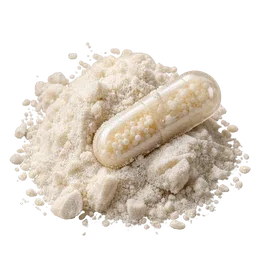
Rose hips are the bright red or orange fruit that remain after rose flowers fade. Supplements usually use dried, ground fruit, which contains vitamin C, plant pigments, and other natural compounds. Oral rose hip powder is different from rosehip oil, which people usually apply to skin.1
Rose hip contains plant compounds that appear to influence oxidative stress and inflammatory signaling, the chemical alarm system cells use when they face strain.1,2 Think of it like turning down an oversensitive smoke alarm, not removing the source of the smoke: this activity offers a plausible explanation for the early findings, but it does not prove a broad health benefit.1,2