Does hot coffee damage supplements mixed into it?
Nov 23, 2026 · 2 min read · 4 sources
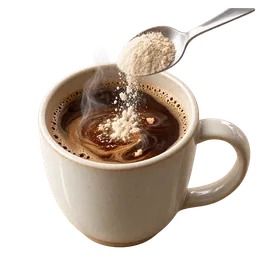
Hot coffee is generally fine for quickly mixed creatine, but heat can reduce live probiotic bacteria.
The morning shortcut is obvious: scoop powder, stir it into coffee, leave the house. The mistake is treating every supplement as if heat hits it the same way.
I would mix ordinary powders into warm coffee only if I am going to drink it right away. I would not put probiotics in hot coffee, and I would not let creatine, vitamin C, collagen, greens powder, or a multivitamin sit in a hot mug while I answer email.
Heat is not one answer across all supplements
The cleanest way to think about this is: is the ingredient alive, chemically fragile, or just dissolved? Probiotics are alive. Creatine is not alive, but it can convert to creatinine once it is in solution, with temperature, water activity, and acidity affecting the rate. Vitamin C is chemically heat sensitive, especially with oxygen, metals, light, and longer holding times.1,3
Coffee usually leaves the brewer hot, then cools fast in the cup. That short exposure is not the same thing as manufacturing a ready to drink supplement beverage or storing a mixed drink in a hot car. The FDA rule for supplement manufacturers is about holding products under suitable temperature, humidity, and light so identity, purity, strength, and composition are not affected. That is a storage rule, not proof that your single mug destroys every ingredient.4
For creatine, the practical advice is simple: stir it in and drink it, or use cool liquid if you tend to sip for an hour. The creatine stability paper found degradation to creatinine across water activity conditions at 4°C, 23°C, and 35°C, and the reaction depended on moisture and temperature.1 Coffee adds another variable: acidity. That still does not mean your dose disappears the moment it touches hot coffee. It means wet plus warm plus time is the problem.
The ingredients I would keep out of hot coffee
Probiotics are the obvious one. A study of probiotic instant coffee found that storage temperature affected viability, with samples kept at 37°C losing viability faster than colder storage conditions.2 That was storage, not a one sip experiment, but it points in the same direction: if the benefit depends on live organisms reaching you alive, hot coffee is a poor gamble. Take the probiotic with cool water, then drink coffee after.
Vitamin C is the middle case. It is heat sensitive, and reviews of ascorbic acid stability describe degradation under high temperature conditions.3 But the dose loss from a brief stir in coffee is not well pinned down for your exact mug, roast, temperature, oxygen exposure, and time. If you bought vitamin C because you want a reliable dose, take it separately. If it is part of a flavored powder you drink immediately, I would not panic.
Collagen peptides, minerals, electrolytes, and many amino acids are less likely to be meaningfully damaged by a quick hot drink. They can dissolve, taste worse, clump, or interact with tannins, but that is not the same as being destroyed. Fat soluble vitamins and multivitamins are trickier because formulas contain many ingredients, some more stable than others. The label storage instructions matter more than a folk rule about coffee.
Caffeine is the confound people mix up with heat
The thing you heard is probably, “coffee cancels supplements.” Usually, that claim blurs two different issues: heat stability and caffeine or coffee interactions. Heat asks whether the ingredient breaks down in the mug. Interaction asks whether coffee changes absorption, tolerance, or timing.
Those are separate decisions. Hot coffee can be a bad idea for probiotics because of heat. Coffee can be a bad companion for some minerals or medications because of absorption or stimulation, not because the powder melted. Do not use one rule for both.
My decision today: use coffee for robust, quick drink powders if you like it, but keep live probiotics and expensive precision doses out of the mug. For creatine, I would use room temperature liquid if I am sipping slowly. For anything labeled “refrigerate,” “keep cool,” or “protect from heat,” believe the label.
Supplements in this article
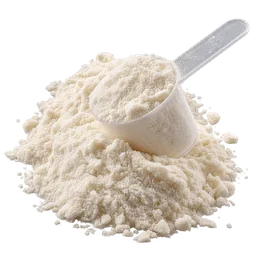
Worth knowing
- Ingredients differ by chemistry, formulation, dose, and time exposed.
- That depends on starting temperature, cooling rate, acidity, oxygen exposure, and how long it sits.
- Heat stability and caffeine related interactions are different questions.
Common questions
Does hot coffee destroy creatine?
Can I mix probiotics into coffee?
Is vitamin C ruined in hot coffee?
Sources
- 1. Effect of water activity and temperature on the stability of creatine during storage (2009) Creatine heat and moisture stability claim.
- 2. Study of Viability, Storage Stability, and Shelf Life of Probiotic Instant Coffee Lactiplantibacillus plantarum subsp. plantarum Dad-13 in Vacuum and Nonvacuum Packaging at Different Storage Temperatures (2022) Probiotic viability and storage temperature claim.
- 3. Chemical Stability of Ascorbic Acid Integrated into Commercial Products: A Review on Bioactivity and Delivery Technology (2022) Vitamin C heat sensitivity claim.
- 4. 21 CFR 111.455, Requirements for holding components, dietary supplements, packaging, and labels (2026) Label and storage condition context for supplements.