Which supplements actually need to be taken consistently?
Nov 27, 2026 · 2 min read · 4 sources
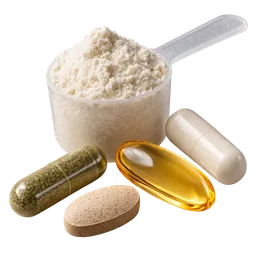
Creatine, vitamin D when levels are low, and omega-3s need consistent use to build body stores; caffeine works before exercise.
Most supplement routines get built around habit, not physiology. The better question is whether the supplement is trying to change a body store or create a short term effect.
I’d split your supplement shelf into two groups: store builders and occasion tools. Store builders need consistency. Occasion tools do not. If you are taking creatine, vitamin D because your intake or blood level is low, omega 3s because you rarely eat fatty fish, or a clinician confirmed iron or B12 deficiency, consistency is the point. If you are taking caffeine before a hard session, or something similar that works within hours, daily use is optional and sometimes counterproductive.
Consistency matters when the target is body stores
Creatine is the easiest example. The goal is to increase muscle creatine and phosphocreatine availability, so the benefit comes from saturation, not from feeling a capsule kick in. Reviews of creatine trials commonly describe a loading option around 20 g per day for 5 to 7 days, followed by about 3 to 5 g per day, or a slower no loading approach that gets you there with daily use over a few weeks.1 If you miss a dose, nothing magical disappears overnight. But if you take it only before workouts, you are treating a storage supplement like a pre workout.
Vitamin D works the same way in a different compartment. The blood marker people track is 25 hydroxyvitamin D, and guidelines discuss supplementation in relation to status, life stage and risk groups, not same day effects.2 If your level is low, taking vitamin D three random times a month is not a serious repletion plan. If your level is fine and you get enough from diet, sun exposure or fortified foods, daily vitamin D is not automatically a virtue.
Omega 3s also belong in the consistency bucket when the goal is changing the omega 3 index, the EPA plus DHA content of red blood cell membranes. A 2023 scoping review found human interventions ranging from 3 weeks to 1 year, with EPA and DHA doses from 100 mg per day to 4,400 mg per day, and many protocols raised the omega 3 index.3 That is not a Tuesday morning effect. It is repeated intake showing up in a biomarker over time.
The answer changes when you are correcting a deficiency
The most important condition is baseline status. A supplement you do not need consistently can become a consistency supplement when you are correcting a low level. Iron, B12, vitamin D and sometimes magnesium fit here. The decision is not, “Are daily supplements good?” It is, “Am I trying to fix a measured or very likely shortfall?”
Dose also matters. A tiny omega 3 gummy is not the same decision as a capsule providing a meaningful EPA plus DHA dose. A multivitamin with a little vitamin D is not the same as a repletion regimen for a low 25 hydroxyvitamin D level. With creatine, the useful habit is boring: 3 to 5 g of creatine monohydrate most days after stores are topped up.1
Timing matters less than people think. For store builders, morning versus night is mostly logistics. Take vitamin D with a meal if that helps you remember it. Take creatine whenever you will actually take it. Take omega 3s with food if your stomach prefers it. The calendar matters more than the clock.
The thing you heard that does not matter: daily is not the same as better
The likely confound is the wellness rule that a supplement “works” only if you take it every day. That is false. Caffeine is the cleanest example. The ISSN position stand says caffeine can acutely improve several kinds of exercise performance, with many studies using about 3 to 6 mg per kg taken before exercise.4 That does not mean you need caffeine every morning. It means caffeine is a tool for a session where alertness or performance matters.
So the decision today is simple. Put your supplements into buckets. Take store builders consistently for a defined reason, ideally with a dose that matches the goal. Use occasion tools only for the occasion. If you cannot name the store you are trying to change, or the situation you are trying to improve, you probably do not need that supplement on autopilot.
Supplements in this article


Worth knowing
- Iron, B12 and vitamin D deficiency can need lab guided dosing, especially with anemia, pregnancy, malabsorption or kidney disease.
- The argument is about consistency when supplementation is appropriate, not universal use.
- The decision here is timing and consistency, not product quality.
Common questions
Which supplements should be taken consistently?
Does creatine need to be taken every day?
Does caffeine need to be taken consistently?
Sources
- 1. Creatine Supplementation for Muscle Growth: A Scoping Review of Randomized Clinical Trials from 2012 to 2021 (2022) Creatine as a store building supplement with common loading and maintenance patterns.
- 2. Vitamin D for the Prevention of Disease: An Endocrine Society Clinical Practice Guideline (2024) Vitamin D guidance tied to status and risk groups.
- 3. The influence of dietary and supplemental omega 3 fatty acids on the omega 3 index: A scoping review (2023) Omega 3 index response over repeated intake windows.
- 4. International society of sports nutrition position stand: caffeine and exercise performance (2021) Caffeine as an acute situational supplement.