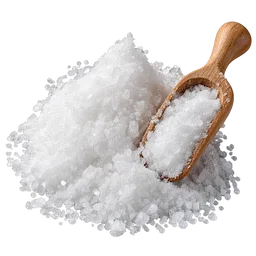
Glucose
Best for
Keep going longer during exercise
Promising early signal 1 g/kg/day 2 studies, n=34
- 8 papers
- 2 of 18 outcomes
- 1 positive
Glucose shows a promising early signal for working longer before fatigue during exercise, but evidence remains limited and does not establish a reliable everyday energy benefit.
Median effective dose, most-studied outcomes
- Sustain more output for longer 1 g/kg —
Risk, worst reported severity
- vomiting
What glucose actually does
Steadier blood sugar, or glucose, helps provide fuel while you exercise. 33322280
| Outcome | Effect | Evidence | Dose | Time | Rank |
|---|---|---|---|---|---|
| Worth watching 1 | |||||
| Keep going longer during exercise Promising early signal Exercise endurance helps you sustain effort before fatigue makes you slow down or stop. | | 2 RCTs 2 papers · n=34 | 1 g/kg | — | — |
| Early research 1 | |||||
| Steadier blood sugar during exercise Not enough research Steadier blood sugar, or glucose, helps provide fuel while you exercise. | | 1 RCT 1 papers · n=18 | — | — | — |
Effect tiers come from native-unit MCID where available, Cohen's d otherwise.
Dose, timing & forms
How much
The small endurance evidence base studied oral glucose at about 1 g per kg of body weight before exercise. That protocol is worth viewing as a research starting point, not a proven personal prescription, because only one of the two studies found a significant sustained-output result.1
When and how long
The relevant research uses glucose before exercise, when it can enter circulation as activity begins. Use it as planned workout fuel rather than an occasional fix for a mid-session energy crash. Preexercise carbohydrate timing also changes blood glucose patterns during activity, so test any approach in an easy training session before relying on it for a race or long workout.1
Forms & standardisation
The evidence concerns oral glucose as a fast carbohydrate source, rather than a specialized botanical extract or a particular supplement technology. A label should clearly identify glucose or dextrose and list carbohydrate per serving. The current research does not establish that one delivery format, such as a drink, gel, or chew, outperforms another for endurance.1
Studied range, by outcome
| Outcome | Studied range | Median effective | Duration | Evidence |
|---|---|---|---|---|
| Sustain more output for longer | 1 g/kg | 1 g/kg | — | 2 papers 1 sig. endpoint |
Adverse events and drug interactions
Safety events
What this is and how it works
- Across 2 studies (n=34), glucose improved exercise-endurance outcomes, although no numerical effect size or noticeable-change threshold was reported.1
- Eight papers reviewed here span 18 outcomes, with the strongest signal focused on exercise endurance.
Glucose is a simple sugar that circulates in your blood after you digest carbohydrate-rich foods. Your muscles can pull it from the bloodstream quickly when activity ramps up, which is why it shows up in sports drinks, gels, and chews.
Working muscle uses glucose to make the energy that powers each contraction. Think of it as deliveries arriving at a busy kitchen during a rush: blood glucose gives active muscles fuel they can use now, while stored carbohydrate supplies the pantry. A preexercise carbohydrate trial tracked changes in blood glucose handling and muscle fuel use, but that biology does not yet establish a reliable endurance benefit for everyone.1
Bottom line
Glucose is most reasonable for people testing fuel strategies before long or demanding exercise, not for anyone looking for an everyday energy supplement. The endurance signal is interesting but early, so set modest expectations and prioritize a format your stomach tolerates. People who experience vomiting with glucose products should avoid using them around training.
Common questions
Does glucose improve endurance?
Is glucose a good pre-workout supplement?
Can glucose make you feel sick during exercise?
Sources
Sources
Generated August 27, 2026
Related
More evidence for Glucose
Evidence map
Metabolic health
NewMetabolic health: evidence map across 82 supplements
Evidence coverage map
Jul 30, 2026
Ingredient evidence
Ingredient evidence
NewAlanine
All scored outcomes
Aug 27, 2026
Ingredient evidence
Ingredient evidence
NewArginine
All scored outcomes
Aug 27, 2026
Ingredient evidence
Ingredient evidence
NewBeet
All scored outcomes
Aug 27, 2026
Ingredient evidence
Ingredient evidence
NewBeet nitrate
All scored outcomes
Aug 27, 2026
Ingredient evidence
Ingredient evidence
NewBeta-Alanine
All scored outcomes
Aug 27, 2026