Huperzine A
8 studies read · 2 answers · 2 sources
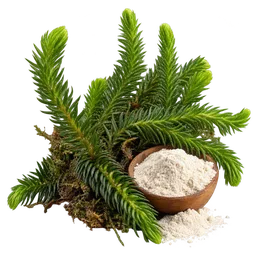
Huperzine A provides a proven benefit for preserving thinking abilities longer in people with cognitive decline, while evidence for healthy adults remains limited and less dependable.
What it does
Modest benefits
-
Slower dementia progression · Probably helps
Memory, attention, and reasoning can affect familiar tasks and the ability to manage daily life with dementia.
at least 179 people · 2 reviews · noticed in 8–26 weeks
Early findings (1)
-
Stronger memory · Unclear if it helps
1 trial · 15 people
How to take it
Huperzine A makes the most sense for a clinician-guided conversation about cognitive decline, where several trials show a moderate effect on thinking scores but study quality varies.1 Healthy people looking for a dependable memory or focus boost should keep expectations low because those findings rest on few studies.2 Avoid casual dose escalation, especially if you get headache, stomach upset, constipation, or other cholinergic side effects.
How much
The better-supported cognitive trials used 200 to 800 mcg daily of oral huperzine A, with 500 mcg daily sitting near the middle of the studied range for dementia and mild cognitive impairment.1 Memory research used the same broad range, but the average benefit was smaller and less consistent than the dementia findings.1,2 Focus findings came from a much thinner evidence base at 200 mcg daily, so that result needs replication before it earns the same confidence.2
When
Use it consistently rather than only before a demanding day. The memory and focus protocols lasted about 8 weeks, while cognitive-decline trials generally ran from 8 to 26 weeks, which means the research evaluates a sustained routine instead of an instant effect.1,2 Trial reports do not establish a clearly superior morning, evening, with-food, or without-food schedule, so follow the product directions and prioritize a time you can take consistently.
Which form
Look for a supplement that states the exact amount of huperzine A in micrograms. The clinical literature evaluates this defined compound, not an unspecified club moss blend, so a label that hides the huperzine A amount makes it hard to match any studied protocol.1 More extract strength is not automatically better because the active dose is tiny and higher exposure can bring cholinergic side effects.
The dose that worked, by measure (3)
- Preserve thinking in dementia or MCI
- 0.5 mg8–26 weeks
- Recall information across tasks
- 0.5 mg8 weeks
- Hold focus through repetitive work
- 0.2 mg8 weeks
Who should be careful
Reported side effects
- serious adverse events (all-cause) severe
- gastrointestinal upset / constipation mild
- cholinergic adverse effects mild
- headache mild
- stomachache mild
- ankle edema
- insomnia
- nausea
Bottles worth buying
Dosed where the research is, in a clean formula, from audited brands. Not sponsored.
-

Huperzine A 1%
Nootropics Depot · 200 mcg a day · brand audit 87
-

Huperzine A 200 mcg
Life Extension · 400 mcg a day · brand audit 90
-

Huperzine A 200 mcg
Swanson · 200 mcg a day · brand audit 69
-

Huperzine-A 200 mcg
Nutricost · 200 mcg a day · brand audit 57
-

Huperzine A 100 mcg
Source Naturals · 200 mcg a day · brand audit 73
-

Huperzine A 200 mg
Source Naturals · 400 mcg a day · brand audit 73
How it works
Huperzine A is not a flashy nootropic. Its strongest signal comes from trials that tracked thinking ability in people already dealing with cognitive decline.1
Huperzine A is an alkaloid originally isolated from Chinese club moss, a small ground-hugging plant in the Huperzia group. Supplements usually provide a measured amount of the isolated compound, rather than a whole-plant powder.