Can I take supplements while intermittent fasting?
Nov 21, 2026 · 2 min read · 5 sources
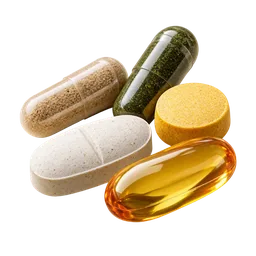
Creatine can fit intermittent fasting, while fish oil and gummy vitamins are best saved for the eating window.
This is the annoying supplement question because the honest answer is not a purity rule. It depends on what is in the capsule and why you are fasting.
Take the boring route: keep calorie containing supplements in your eating window, and take calorie free pills during the fast only if they do not upset your stomach. The exception is medical fasting. If you were told to fast for blood work, a procedure, glucose testing, or surgery, follow those instructions, not a supplement timing hack.
Calories matter, but the purpose of the fast matters more
For everyday intermittent fasting, the main goal is usually a smaller eating window. Reviews of time restricted eating describe common schedules as roughly 4 to 10 hours of eating and 14 to 20 hours of fasting.2 In that context, a creatine capsule, magnesium tablet, electrolyte with no sugar, or plain caffeine is not the thing that makes or breaks the plan.
The problem starts with supplements that are really food in supplement clothing. Protein powder, collagen, essential amino acids, BCAAs, greens powders with carbohydrates, gummy vitamins, fish oil, and MCT oil all bring calories or nutrient signals. Amino acids are not metabolically neutral. A review on dietary amino acids describes direct insulin stimulating effects through pancreatic and gut nutrient sensing.3 If the reason you are fasting is to avoid nutrient intake during the fasting window, amino acid products do not belong there.
Fish oil and MCT oil are simpler: they are fats. They contain calories. That does not mean a teaspoon ruins your life or cancels fat loss, but it does mean you are no longer doing a clean fast. If your fasting plan works because it helps you eat less over the day, taking fish oil at noon instead of dinner is probably not the decisive issue. If your fast is strict, move it.
Some supplements work better with food anyway
Several common supplements are easier or smarter to take with a meal. Vitamin D is the cleanest example. In a randomized study, taking vitamin D3 with a fat containing meal produced a 32 percent higher 12 hour peak vitamin D3 level than taking it with a fat free meal.1 That is not a tiny ritual difference. If you take vitamin D, vitamin A, vitamin E, vitamin K, a multivitamin, curcumin, CoQ10, or fish oil, I would put it with your largest meal that contains fat.
Minerals are more about tolerance. Zinc, iron, and magnesium can bother an empty stomach. Iron is its own case because food can reduce absorption, but many people cannot tolerate it fasted. If iron was prescribed for deficiency, follow the dosing plan you were given. If it is just in a multivitamin, take the multi with food and stop over-optimizing.
Creatine is the supplement people overthink. Reviews on creatine timing conclude that whether you take it right before or after training is still unclear, while the bigger issue is consistent daily intake.4 If you use creatine monohydrate, take 3 to 5 grams whenever you reliably remember. If taking it fasted gives you stomach cramps, take it with your meal. You did not lose the benefit.
The thing you heard that does not actually matter
The confound is the phrase “breaking a fast.” People use it as if every fast has one universal rule. It does not. A water only fast, a religious fast, a preoperative fast, a blood test fast, and a 16:8 weight loss routine are different decisions.
For a normal 16:8 plan, I would sort supplements into three bins today. First, fast window is fine: creatine capsules, plain electrolytes, noncaloric caffeine, and most plain tablets if tolerated. Second, eating window is better: fat soluble vitamins, multivitamins, fish oil, curcumin, CoQ10, zinc, magnesium, and anything that upsets your stomach. Third, eating window only: protein powder, collagen, amino acids, BCAAs, gummies, MCT oil, powdered creamers, and anything with sugar or meaningful calories.
One real red flag: diabetes drugs. Fasting changes the risk calculation for people using insulin or medications that can cause hypoglycemia. The Endocrine Society guideline focuses on people at high risk for hypoglycemia, including those treated with insulin or sulfonylureas.5 If that is you, supplement timing is not the main issue. Medication safety is.
My practical move: take your essential, noncaloric pills when you tolerate them, but move the whole supplement stack to your first meal unless there is a reason not to. It is simpler, it protects absorption for fat soluble products, and it keeps your fast honest enough for almost every everyday goal.
Supplements in this article
-
Creatine
More muscle strength · Helps a little
-
Vitamin D
Fewer infections · Probably barely helps
-
Fish Oil
Lower triglycerides · Helps a little
-
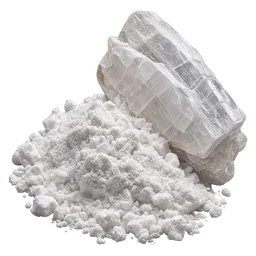
Magnesium
Better sleep quality · Probably helps a little
-

Zinc
Preventing or shortening diarrhea · Helps a little
-
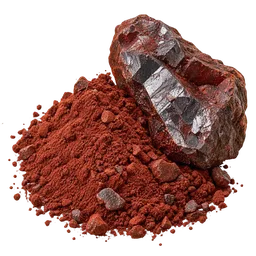
Iron
Less iron deficiency and anemia · Helps a little
-
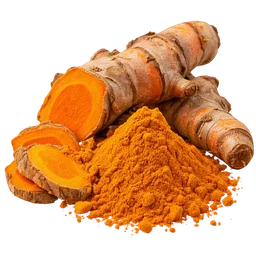
Curcumin
Less joint pain and stiffness · Probably helps
-
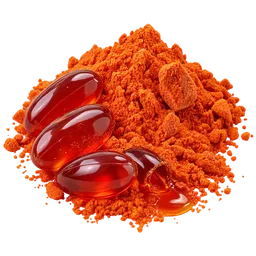
CoQ10
Better heart function · Helps a lot
-
mct oil
-
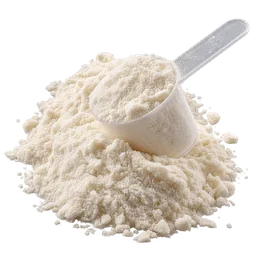
Collagen
Slower skin aging · Probably helps
-
bcaa
Worth knowing
- Procedure, surgery and lab fasting rules can be stricter than intermittent fasting routines.
- Different traditions define allowed supplements, water and medicines differently.
- Insulin and sulfonylureas can raise hypoglycemia risk during fasting.
Common questions
Can I take creatine while fasting?
Do gummy vitamins break a fast?
What supplements should I take with food while intermittent fasting?
Sources
- 1. Dietary fat increases vitamin D-3 absorption (2015) Primary quantitative support for taking vitamin D with a fat containing meal
- 2. Time-restricted eating information (2026) Current public evidence summary for typical time restricted eating windows
- 3. How dietary amino acids and high protein diets influence insulin secretion (2023) Mechanistic support that amino acids are not fasting neutral
- 4. Timing of Creatine Supplementation around Exercise: A Real Concern? (2021) Creatine timing support
- 5. Hypoglycemia Clinical Practice Guideline (2022) Safety warning for hypoglycemia prone medication users