Chlorogenic Acid
11 studies read · 2 answers · 2 sources
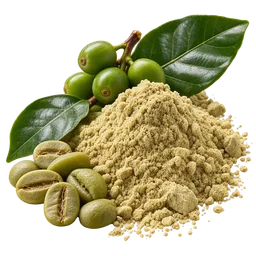
Chlorogenic acid shows a promising early signal for modest weight reduction, but evidence across other outcomes remains too limited for confident claims about broader health benefits.
What it does
Early findings (1)
-
Lose weight · Unclear if it helps
2 trials · 197 people · 1 review · noticed in 5–26 weeks
Doesn't appear to help
-
Better blood sugar control · May not help
Blood sugar is the body’s main fuel, and keeping it in a healthy range matters for daily energy and long-term health.
4 trials · 162 people · noticed in 4–26 weeks
How to take it
Chlorogenic acid is worth watching if you want a modest, evidence-aware addition to a broader weight-management plan, especially if you understand that the current signal is early.1 Skip the expectation of predictable weight loss or proven blood sugar control. If you use prescription medicines or have a health condition, check with a clinician or pharmacist before starting it.
How much
Weight-management trials examined oral amounts from 200 to 1,107 mg daily, with 500 mg daily as the middle of the studied range. These programs lasted roughly 4.5 to 26 weeks, so the early weight signal comes from sustained use, not a one-off dose.1 Blood sugar research used overlapping amounts, but the small set of trials has not established an effective glucose dose.2
When
Studies use chlorogenic acid daily across weeks to months, rather than only before a high-calorie meal or on days you want extra energy.1 Clinical evidence does not establish a best time of day, whether to split the dose, or whether taking it with food produces better weight results, so follow the product directions rather than treating a timing rule as proven.
Which form
Most weight-focused research involves green coffee extract, which supplies chlorogenic acids rather than isolated chlorogenic acid alone.1 Look for a label that states the actual chlorogenic acid amount or a clearly defined standardization percentage, not just a large green coffee extract number. Coffee drinks are not interchangeable with a standardized supplement because their chlorogenic acid content varies substantially.
The dose that worked, by measure (1)
- Move toward a healthier weight
- 500 mg5–26 weeks
Who should be careful
Medicines it can clash with
- triptolide moderate
- doxorubicin moderate
- metformin minor
Reported side effects
- convulsion severe
- forestomach hypoplasia moderate
- forestomach hyperplasia moderate
- reduced adrenal weight moderate
- reduced kidney weight moderate
- immunologic reaction moderate
- asthma moderate
- rhinitis moderate
Bottles worth buying
Dosed where the research is, in a clean formula, from audited brands. Not sponsored.

How it works
Coffee has a lesser-known compound that is drawing attention for weight management. The catch: the human evidence is intriguing, not settled.
Chlorogenic acid is a natural polyphenol, a family of plant compounds found especially in coffee beans. Green coffee extracts often concentrate it before roasting changes the bean's chemical makeup.1
Chlorogenic acid appears to slow how quickly the gut moves glucose from a meal into the bloodstream, like narrowing a funnel so sugar arrives in a steadier stream rather than a rush.2 That glucose-handling idea gives researchers a plausible reason to study it for metabolic outcomes, but it does not yet establish a lasting blood sugar benefit.2