Cumin
1 studies read · 0 answers · 1 sources
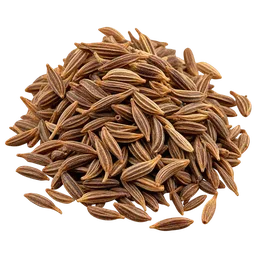
Cumin shows a large effect on weight-related outcomes in overweight and obese women, but the finding needs confirmation before supporting dependable weight loss.
How to take it
Cumin is worth watching if you already enjoy it and want an evidence-aware addition to broader eating and activity habits. Do not buy it expecting a dependable weight-loss result yet: one early study with a large signal needs confirmation, especially over longer periods.1
How much
There is not yet a dependable clinical dose range for weight management. The encouraging finding comes from short-term daily cumin use in an early trial, so it offers a starting point for research rather than a proven dose target.1
When
Use the protocol tables alongside this section for the tested schedule. The key practical point is consistency: the early weight research used daily intake over weeks, not occasional use when you want a quick change.1
Which form
The available human weight study used cumin powder, rather than a branded extract standardized to a named active compound.1 Look for a product that clearly identifies Cuminum cyminum and the amount per serving. No extract ratio or active-compound marker has enough human weight evidence to claim an advantage.
How it works
Cumin does more than make food taste warm and earthy. One early trial found a surprisingly large weight-related signal, but it needs a real follow-up before it earns hype.1
Cumin is the dried seed of Cuminum cyminum, a plant in the parsley family. You probably know its sharp, toasted flavor from curries, chili, tacos, and spice blends, although supplements use a more measured daily amount than a pinch in dinner.
Researchers have not established which biological switch cumin changes to influence body weight in people. Think of the current evidence as a promising result on a bathroom scale, not a map showing which body switch cumin flips: the trial measured weight outcomes but did not confirm a mechanism.1