CurcuWIN
20 studies read · 10 answers · 4 sources
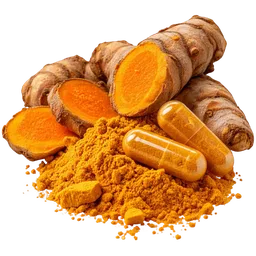
CurcuWIN shows a likely strong benefit for memory in healthy older adults, while joint-comfort benefits appear more modest across the broader evidence.
What it does
Modest benefits
-
Less joint pain and stiffness · Probably helps
Joint pain and stiffness can limit movement and make everyday routines harder.
at least 913 people · 2 reviews · noticed in 8–52 weeks
Early findings (8)
-
Lower rheumatoid arthritis activity · May help a lot
at least 527 people · 3 reviews · noticed in 10–20 weeks
-
Less body-wide inflammation · May help a little
7 trials · at least 2,087 people · 4 reviews · noticed in 1–52 weeks
-
Less oxidative stress · May help
1 review of 3 trials · 165 people · noticed in 1–26 weeks
-
Clearer, quicker thinking · May help
1 review · noticed in 4–52 weeks
-
Healthier liver blood tests · May barely help
5 trials · 1,149 people · 1 review · noticed in 1–26 weeks
-
Keep mobility and independence · Unclear if it helps
2 trials · 164 people · noticed in 12 weeks
-
Slower knee joint damage · Unclear if it helps
1 trial · 43 people · noticed in 13–52 weeks
-
Easier workdays · Unclear if it helps
1 trial · 56 people · noticed in 12 weeks
Doesn't appear to help
-
Better quality of life · Doesn't help
A fulfilling life leaves room for meaningful choices and enjoyment in everyday activities.
2 trials · 571 people · noticed in 12–26 weeks
How to take it
CurcuWIN makes the most sense for someone interested in a highly absorbable curcumin formula and willing to use it consistently, especially for modest joint-comfort support.2 The memory result is exciting but rests on one study, so treat it as promising rather than guaranteed.1 Skip self-experimenting if curcumin products trigger stomach symptoms, and get clinician guidance if you have liver concerns or use prescription medicines.3
How much
For the clearest cognitive finding, a trial used 80 mg daily of a bioavailable curcumin extract, although one study is not enough to lock in an ideal memory dose.1 Joint trials span roughly 120 to 1,500 mg daily, with small improvements in pain and stiffness across the studied protocols.2 Liver-marker research used varied curcumin protocols, so there is no single evidence-based target dose for that goal.3
When
Use CurcuWIN consistently every day. Joint studies assess changes after sustained use over weeks, so treating it like an as-needed pain reliever does not match the research.2 Taking it with a meal is a sensible practical choice if curcumin products upset your stomach, and splitting a larger daily serving can improve comfort for some people.4
Which form
Look for a product that clearly identifies CurcuWIN or another named, clinically studied curcumin formulation. Do not assume that turmeric spice, generic turmeric powder, and a formulated curcumin extract perform the same way, because absorption is a major difference.1 A label should state the curcumin or curcuminoid amount per serving, not just the total weight of a proprietary blend.
Who should be careful
Reported side effects
- hepatotoxicity by usnic acid severe
- gastrointestinal events (bloating, diarrhoea, nausea, abdominal pain, constipation) mild
- nausea mild
- vomiting mild
- stomach pain / dyspepsia / gastro-esophageal reflux mild
- meteorism (abdominal bloating) mild
- weight gain mild
- relapsing rash / itching mild
Bottles worth buying
Dosed where the research is, in a clean formula, from audited brands. Not sponsored.
-

CurcuWIN 500
Allergy Research Group · 1,000 mg a day · brand audit 83
-

Boron Joint with CurcuWIN
Allergy Research Group · 750 mg a day · brand audit 83
-

CurcuWIN 500
NutriCology · 1,000 mg a day
-

Turmeric Curcuwin Complex 550 mg
Carlyle · 300 mg a day
-

Flex
Performance Lab · 500 mg a day
-

AI-5
IF Intestinal Fortitude · 250 mg a day
How it works
A curcumin formula that stands out for more than joint comfort: one clinical trial found a large improvement in memory performance, though that striking result still needs replication.1
CurcuWIN is a branded, water-dispersible form of curcumin, the bright yellow plant compound concentrated from turmeric. Regular curcumin has a practical problem: your gut absorbs very little of it. This formulation packages it to mix more readily with water, aiming to get more curcumin into circulation.1
Curcumin influences inflammatory signaling and the cell-protection systems that handle oxidative stress, which can affect how tissues respond to everyday wear and tear.2 Think of it as turning down an oversensitive smoke alarm while helping the cleanup crew deal with the residue, rather than simply masking the noise. Human trials also report changes in liver enzyme blood tests, but those markers do not reveal the full reason for the change.3
Common questions
What is CurcuWIN used for?
Is CurcuWIN different from regular turmeric?
How long does CurcuWIN take to work?
Does CurcuWIN help joint stiffness?
Can CurcuWIN support liver health?
Sources
- 1. Improved cognitive function following a bioavailable curcumin extract in healthy older adults (2020)
- 2. Efficacy and safety of curcuminoids in knee osteoarthritis: A systematic review and meta-analysis of randomized clinical trials (2016)
- 3. Curcumin and non-alcoholic fatty liver disease: A randomized, placebo-controlled trial (2017)
- 4. Safety and efficacy of curcumin versus non-steroidal anti-inflammatory drugs in osteoarthritis: A systematic review and meta-analysis (2021)