Flavan-3-ols
12 studies read · 2 answers · 2 sources
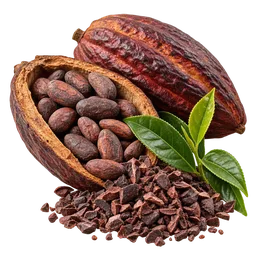
Flavan-3-ols show a faint early signal for blood pressure in small human studies, while evidence for artery flexibility and healthy circulation remains insufficient.
What it does
Early findings (2)
-
Lower blood pressure · Unclear if it helps
2 trials · 41 people · noticed in 1 weeks
-
Better blood flow · Unclear if it helps
1 trial · 24 people
How to take it
Flavan-3-ols are worth a look if you want to support vascular function and you understand that the best human finding is improved vessel responsiveness, not a guaranteed blood pressure drop.1 The blood pressure evidence remains early and small, so do not use this as a replacement for prescribed care or monitoring. If you already manage blood pressure with a clinician, discuss any supplement change with them.2
How much
For the strongest signal so far, vessel-response studies used 400 to 900 mg daily of oral flavan-3-ols, generally for several weeks. The most favorable vessel-widening results clustered around 900 mg daily, but this is early evidence, not a proven target for everyone.1 Blood pressure studies tested roughly 400 to 993 mg daily and found only a small, inconsistent signal, so higher intake does not guarantee a meaningful change in your readings.2
When
The trials tested consistent daily intake over weeks, so this is not something researchers have established as an occasional, take-it-when-needed supplement.1,2 Current evidence does not identify a best time of day, a superior split-dose schedule, or a clear advantage to taking it with versus without food. Pick a routine you can repeat daily, rather than chasing a particular clock time.
Which form
Look for a product that states the actual milligrams of flavan-3-ols or cocoa flavanols, not simply the weight of cocoa powder or a proprietary blend. The human vascular research centers on quantified cocoa-derived flavan-3-ol preparations, so a label with a defined flavan-3-ol amount gives you the closest match to what trials tested.1 A dark chocolate label alone does not tell you the flavan-3-ol dose used in research.
The dose that worked, by measure (2)
- Help your vessels widen with blood flow
- 900 mg4–12 weeks
- Lower your diastolic pressure
- 900 mg1–12 weeks
How it works
The interesting thing about flavan-3-ols is not a quick energy boost. It is their early signal that your blood vessels respond a little better when blood needs to move.1
Flavan-3-ols are plant compounds, best known as the flavanols found in cocoa. They include compounds such as epicatechin, and research usually tests preparations that quantify their flavan-3-ol content instead of treating all chocolate products as interchangeable.1
Flavan-3-ols appear to help the cells lining your blood vessels preserve nitric oxide, a chemical message that tells the vessel wall to loosen. Think of nitric oxide as the hand signal that tells a crowded lane to open up, letting blood move through with less resistance.1 In human trials, this showed up most clearly as improved flow-mediated dilation, which measures how well an artery widens after blood flow increases.1,2