Garcinia
3 studies read · 1 answers · 2 sources
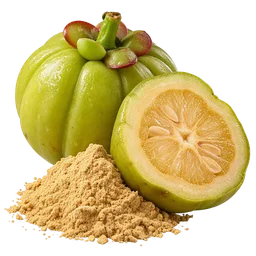
Garcinia has not enough research to establish meaningful weight-loss or belly-fat benefits for adults seeking easier movement in daily life.
What it does
Early findings (1)
-
Lose weight · May help
1 review of 5 trials · 240 people · noticed in 8–13 weeks
How to take it
Garcinia is not a sensible first choice for weight management: the human evidence is early and uncertain, while the safety concerns are serious. Avoid it if you use antidepressants or blood-glucose-lowering medication, and stop using it and seek medical care promptly if symptoms of liver trouble occur.1,2
How much
The available consumer-facing weight research is too limited to define a reliable Garcinia dose. One small oral protocol ran for 12 weeks, but a single protocol does not establish an effective target or show that higher doses work better.1
When
No solid trial evidence identifies a best time of day, meal timing, or split-dose schedule for Garcinia. The research used daily supplementation over weeks, not occasional use, but that does not turn timing into a proven strategy.1
Which form
The dose that worked, by measure (3)
- Weight relative to height
- 166 mg12 weeks
- Move toward a healthier weight
- 166 mg12 weeks
- Reduce central adiposity
- 166 mg12 weeks
Who should be careful
Medicines it can clash with
- antidepressants major
- blood glucose lowering major
- bupropion major
- midazolam major
- digoxin major
- montelukast major
- lipid modifying agents major
- efavirenz major
- acetaminophen major
Reported side effects
- testicular atrophy severe
- hepatotoxicity severe
- acute pancreatitis severe
- serotonin toxicity severe
- acute liver failure severe
- rhabdomyolysis severe
- hepatotoxicity by usnic acid severe
How it works
The sales pitch is simple: a tropical fruit extract for weight loss. The evidence is far less convincing, and the safety tradeoff matters.
Garcinia usually means Garcinia cambogia, a small, pumpkin-shaped fruit native to South and Southeast Asia. Supplements concentrate hydroxycitric acid, or HCA, from its rind, then market that extract for appetite and body-fat goals.1
HCA blocks ATP citrate lyase, an enzyme that helps turn surplus carbohydrate into the raw material for fatty-acid production. Think of it as slowing one conveyor belt in a factory, not shutting down the whole factory: changing that step has not established meaningful weight loss in people.1
Studied alongside
-
Drug:Orlistat
1 measures studied together