Hesperidin
13 studies read · 0 answers · 1 sources
Hesperidin shows a large short-term blood-flow effect in healthy volunteers, but the finding needs confirmation and does not establish durable circulation benefits.
How to take it
Hesperidin is worth watching if you want a citrus-derived supplement for circulation and you understand that the headline result is early. Skip the hype: one acute blood-flow finding does not establish durable benefits, and people taking medicines or managing significant health concerns should check with a clinician first.1
How much
The only consumer-facing circulation outcome comes from a single acute oral protocol using 1,000 mg of hesperidin. It showed a large limb blood-flow signal, but one small early result is not a reason to chase higher doses or treat this as an established circulation supplement.1
When
The studied circulation effect was measured after a single dose, within hours, rather than after a daily multiweek routine. Take it consistently only if you and a qualified clinician decide it fits your situation. The research does not yet establish an ideal time of day, whether food changes the effect, or a long-term schedule.1
Which form
Look for a label that states the amount of hesperidin, not just a vague citrus or orange peel blend. The vascular research on citrus flavanones does not show that every peel extract delivers the same hesperidin exposure, so a named, quantified ingredient is the clearer choice.1
The dose that worked, by measure (1)
- Improve limb circulation
- 1,000 mg<1 weeks
Who should be careful
Medicines it can clash with
- cisplatin moderate
Reported side effects
- sudden deafness moderate
- common cold mild
- pollen allergy mild
- pain mild
- tinnitus mild
- conjunctivitis mild
- digestive symptoms mild
- fatigue mild
Bottles worth buying
Dosed where the research is, in a clean formula, from audited brands. Not sponsored.
-

Hesperidin Powder
Nootropics Depot · 500 mg a day · brand audit 87
-

Hesperidin Capsules 500 mg
Nootropics Depot · 500 mg a day · brand audit 87
-

Citrus Bioflavonoid Complex 750 mg
Bluebonnet · 750 mg a day · brand audit 82
-

Hesperidin
BulkSupplements.com · 500 mg a day · brand audit 54
-

Hesperidin Methyl Chalcone 500 mg
Doctor's Best · 500 mg a day · brand audit 82
-

SynovX Al
XYMOGEN · 469 mg a day · brand audit 80
How it works
A compound from citrus peel produced a surprisingly large short-term blood-flow signal. The catch: it comes from an early finding that still needs a real-world sequel.1
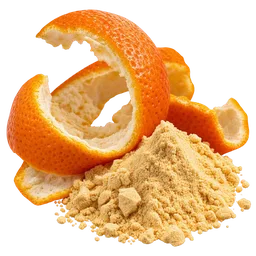
Hesperidin is a plant compound concentrated in citrus fruits, especially the pale inner peel and pith of oranges. Your gut converts some hesperidin into smaller compounds, including hesperetin, that can enter circulation and interact with blood-vessel signaling.1
Think of your blood-vessel lining as a lane-control system for traffic. Citrus flavanones appear to support nitric oxide signaling, one of the chemical messages that tells a vessel to relax and open its lanes for blood flow.1 This mechanism fits the short-term limb blood-flow result, but it does not prove lasting cardiovascular benefits.1