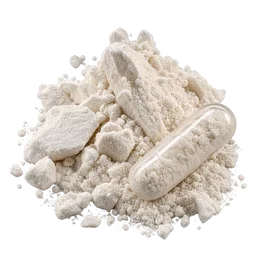
Magnesium Glycinate
Best for
Ease leg cramps at night
Promising early signal 300 mg/day 4 weeks 1 study, n=86 #1 of 2 studied
- 2 papers
- 5 of 10 outcomes
- 3 positive
- 3 severe
Magnesium glycinate shows a promising early signal for reducing nighttime leg-cramp disruption, while evidence across sleep, stress, anxiety, and other outcomes remains too limited for dependable benefits.
What magnesium glycinate actually does
Leg cramps are sudden, painful muscle contractions that can interrupt sleep. 22909270
Daily stress is the sense that life's demands are stretching beyond what you can handle. 40918053
Anxiety can bring persistent worry, unease, and physical tension into ordinary moments. 40918053
Less severe insomnia can mean fewer nights spent struggling with sleep. 40918053
Sleep quality reflects whether the night leaves you feeling well rested. 40918053
| Outcome | Effect | Evidence | Dose | Time | Rank |
|---|---|---|---|---|---|
| Worth watching 1 | |||||
| Ease leg cramps at night Promising early signal Leg cramps are sudden, painful muscle contractions that can interrupt sleep. | | 1 RCT 1 papers · n=86 | 300 mg | 4 wk | #1 /2 |
| Early research 4 | |||||
| Feel less stressed day to day Not enough research Daily stress is the sense that life's demands are stretching beyond what you can handle. | | 1 study 1 papers · n=153 | 250 mg | 4 wk | — |
| Feel less anxious Not enough research Anxiety can bring persistent worry, unease, and physical tension into ordinary moments. | | 1 study 1 papers · n=153 | 250 mg | 4 wk | — |
| Reduce insomnia symptoms Barely detectable Less severe insomnia can mean fewer nights spent struggling with sleep. | | 1 study 1 papers · n=153 | 250 mg | 4 wk | #7 /13 |
| Sleep that feels more restorative Barely detectable Sleep quality reflects whether the night leaves you feeling well rested. | | 1 study 1 papers · n=153 | 250 mg | 4 wk | — |
Effect tiers come from native-unit MCID where available, Cohen's d otherwise.
Dose, timing & forms
How much
For nighttime leg-cramp disruption, the early trial used 300 mg daily and found a promising, moderate-size signal. Sleep, stress, and anxiety research used 250 mg daily, but the measured changes were small to trivial, so increasing the dose for those goals has no solid evidence behind it. The current research does not establish a best dose beyond those short trial protocols.1
When and how long
The available research tests magnesium glycinate as a daily routine, not as an occasional rescue supplement after a rough night. No study establishes that morning versus evening dosing changes the result. If you try it, choose a time you can stick with and follow the product directions, rather than chasing an immediate effect.1
Forms & standardisation
Choose a product that clearly says magnesium glycinate or magnesium bisglycinate and lists the amount of elemental magnesium per serving. The glycinate form is the form used in the small sleep and stress research, but the evidence does not show that it outperforms other magnesium forms.1 A transparent label matters because the total weight of the glycinate compound is not the same as the amount of magnesium it supplies.2
Adverse events and drug interactions
Safety events
What this is and how it works
- One study (n=86) reported reduced nighttime leg-cramp disruption across six endpoints, but no effect size or MCID comparison was provided.1
- Two papers reviewed here span 10 consumer-facing outcomes, with strongest evidence concentrated in nighttime cramp disruption.
- The cramp signal comes from one early study, limiting confidence about magnesium glycinate’s broader effects.
Magnesium glycinate is a mineral supplement that binds magnesium to glycine, an amino acid. Your body uses magnesium in hundreds of jobs, including nerve signaling, muscle contraction, and energy production. Food sources include nuts, beans, whole grains, and leafy greens, while supplements offer a more concentrated dose.2
Magnesium acts like a gatekeeper at nerve and muscle junctions, helping prevent electrical signals from firing too easily or too often.2 That job gives it a believable connection to muscle cramping and bedtime restlessness, but a believable mechanism is not the same as a proven benefit. The small glycinate trials leave the sleep, stress, and anxiety questions open.1
Bottom line
Magnesium glycinate is worth watching if nighttime leg cramps interrupt your sleep, although that signal comes from just one early study. It is not a dependable answer for insomnia, daily stress, or background anxiety based on the small effects seen so far.1 If cramps are frequent, severe, or new, get them checked instead of relying on a supplement.
Common questions
Does magnesium glycinate actually improve sleep?
Can magnesium glycinate help nighttime leg cramps?
What is the difference between magnesium glycinate and other magnesium forms?
Sources
Sources
Generated August 27, 2026
Related
More evidence for Magnesium Glycinate
Evidence guide
Magnesium Glycinate vs Bisglycinate
NewTwo Names, One Mineral—and the Hidden Twist on the Label
Evidence guide
Apr 14, 2026
Evidence map
Sleep
NewSleep: evidence map across 37 supplements
Evidence coverage map
Jul 30, 2026
Evidence map
Stress
NewStress: evidence map across 46 supplements
Evidence coverage map
Jul 30, 2026