New Magnesium Glycinate vs Bisglycinate Published Apr 14, 2026
Two Names, One Mineral—and the Hidden Twist on the Label
Clarity on forms; gentler GI tolerance; practical label-reading to get what you expect
Evidence summary
Magnesium glycinate and magnesium bisglycinate are the same chelated mineral, and the label’s real twist is whether the capsule is buffered with extra magnesium oxide.
- Magnesium glycinate and magnesium bisglycinate are diglycinate, delivering about 14.1% elemental magnesium.1
- Organic magnesium salts usually absorb better than oxide, while citrate and sucrosomial forms beat amino-acid chelates in comparative trials.7
- Buffered products can contain extra magnesium oxide, so two labels with the same chelate can differ in formulation.4
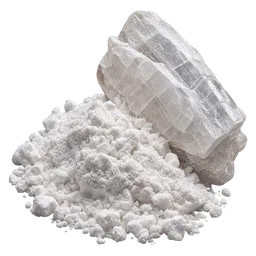
You stand in the supplement aisle staring at two bottles—magnesium glycinate and magnesium bisglycinate—priced differently, promising the same calm. Which is "better," and why does the internet argue about it? The plot twist: they're the same molecule—and the real difference hides in a single word on the label: buffered.
The Name Game: Glycinate vs. Bisglycinate
Here's the clean truth first: magnesium glycinate and magnesium bisglycinate are the same compound. Chemists often call it magnesium diglycinate or bisglycinate to emphasize "two" glycine partners holding one magnesium ion; marketers shorten it to glycinate. Different names, identical structure, same elemental magnesium (about 14.1%).12 If you've heard rumors that one has "smaller particles" or "reaches the brain better," those are just rumors. The molecule is the molecule.13
The Real Divide: Buffered vs. Fully Reacted
If the names aren't the difference, what is? "Buffered." That single word can change your experience. Many reputable raw-material suppliers offer both unbuffered magnesium bisglycinate (pure chelate) and a buffered version that blends in magnesium oxide. Why? Oxide is inexpensive and boosts the percent of elemental magnesium per serving, but it's also harsher on the gut and less bioavailable for many people. One major supplier describes it plainly: the buffered form "utilizes magnesium oxide to combine high elemental magnesium value with high bioavailability."4 In practice, buffered products vary, but expect some trade-off in gentleness if oxide is part of the blend. Think of it like a duet: in pure bisglycinate, magnesium rides into the body piggybacked on glycine—an amino acid your gut recognizes—so it tends to be calmer on digestion. Add oxide, and you've mixed a second instrument that can play louder (more elemental magnesium on paper) but not always sweeter for sensitive stomachs.
What Does the Evidence Say About Absorption?
Across magnesium supplements, organic forms (like amino-acid chelates and citrate) generally absorb better than inorganic salts (like oxide). A systematic review put it succinctly: "Inorganic formulations appear to be less bioavailable than organic ones."7 Head-to-head studies are still limited, but two plot points matter:
- A randomized trial comparing several forms found magnesium citrate raised blood levels more than an amino-acid chelate and far more than oxide over 60 days—reminding us that form matters, and differences among "good" forms can be subtle and context-dependent.6
- Another crossover study in healthy adults reported a specialized "sucrosomial" magnesium increased red blood cell levels more than bisglycinate at 24 hours—evidence that the absorption race is ongoing and not owned by a single form.5
Bottom line: pure magnesium bisglycinate/glycinate is a gentle, well-absorbed option; buffered versions edge up elemental percentage by adding oxide. Your gut will usually tell you which you bought.
Sleep, Calm, and the Human Stories Behind the Data
Magnesium's calming reputation doesn't come from bisglycinate alone; it comes from magnesium's role in nerve steadiness and muscle relaxation. In older adults with primary insomnia, daily magnesium for 8 weeks improved insomnia scores versus placebo—small study, real signal.8 In a modern twist, a 3-week trial of magnesium L-threonate (a different form aimed at brain delivery) improved objective sleep-stage metrics and morning alertness, hinting that specific forms might target specific goals.9 What about anxiety? A systematic review suggests benefits for anxiety-prone groups, but the authors called out the uneven study quality and urged better trials.10 Translation: promising, not proven. So where does bisglycinate fit? It's prized by clinicians and consumers for being gentle at the doses people actually take for sleep or stress support—often in the evening, where digestive comfort matters most. The glycine "handle" helps the mineral slip past the gut's bouncers like a familiar guest, rather than a pushy metal ion.
A Brief Origin Story: How Chelation Became a Movement
The modern push for amino-acid chelates traces back to Albion Laboratories (now part of Balchem). "Albion pioneered amino acid chelates—long before they became the industry standard," recalls Stephen Ashmead, whose grandfather helped lead the early work in the 1950s–60s.11 That lineage matters because it explains why you'll also see TRAACS® or "fully reacted" on labels—signals that the mineral is actually bonded to the amino acid you're paying for.
"Inorganic formulations appear to be less bioavailable than organic ones." — Systematic review of magnesium supplements7 "The buffered form utilizes magnesium oxide.." — Supplier description of buffered bisglycinate4
These are not marketing lines; they're clues for decoding the shelf.
How to Read the Label Like a Pro
- Look for "elemental magnesium." That tells you the actual magnesium dose (not the weight of the whole compound).
- Scan the form. If it says "magnesium (as bisglycinate chelate)," that's what you want. If it adds "and magnesium oxide," you're holding a buffered product.
- Spot the tells. Phrases like "fully reacted," "TRAACS®," or listing "magnesium bisglycinate chelate" as the sole form suggest an unbuffered product.
- Start low, go slow. Many feel calmer sleep with 100–200 mg elemental magnesium in the evening; adjust to comfort.
What We Know, What We Don't
- Names: glycinate vs. bisglycinate = same molecule. Settled.123
- Tolerance: unbuffered bisglycinate/glycinate is typically gentler than oxide. Widely observed, consistent with chemistry and reviews.7
- Efficacy: magnesium can aid sleep and mood in some contexts, but results vary and aren't form-exclusive. More comparative trials are needed.68910
If you're choosing between two bottles, prioritize purity (unbuffered) and clarity (elemental dose). Then let your goal (sleep, stress, muscle comfort) and your gut response guide the rest.
The Quiet Lesson
Sometimes health isn't about discovering a new ingredient; it's about seeing clearly. Two names, one molecule—and a single word that changes the experience. Read the fine print; your nights might get quieter.
Key takeaways
What to walk away with
Effect timeline
When to expect what
- Immediate
- Yes (mild)
- Peak
- 2-4 weeks
- Duration needed
- 4-8 weeks minimum; ongoing if helpful
- Wears off
- 1-3 weeks after stopping
Research trajectory
What the studies actually show
-
Glycinate and bisglycinate are the same compound (aka diglycinate), ~14.1% elemental magnesium. 1
Naming differences led to market confusion; chemical references clarify identity.
Sets the record straight so buyers don't overpay for a label.
-
Organic forms tend to be more bioavailable than inorganic salts; oxide trails. 7
Systematic review compared forms across 14 studies.
Explains why chelates/citrate often feel gentler and more effective.
-
Comparative trials show nuance: citrate beat an amino-acid chelate over 60 days; sucrosomial outperformed bisglycinate at 24h. 6
Two human studies measured blood/urine/RBC magnesium after different forms.
There's no single champion in all contexts; choose based on goal and tolerance.
Human trials
What real trials found
-
Older adults with insomnia took magnesium daily for 8 weeks, improving insomnia severity vs. placebo. 8
- Outcome
- Better insomnia scores and sleep measures vs placebo.
- Why it matters
- Shows magnesium can aid sleep; form not limited to glycinate.
- Source
- Randomized controlled trial in elderly with primary insomnia
-
Healthy adults with self-reported sleep problems took magnesium L-threonate for 3 weeks; deep/REM sleep improved objectively. 9
- Outcome
- Improved sleep-stage metrics and morning alertness vs placebo.
- Why it matters
- Highlights that different magnesium forms may target different goals.
- Source
- Randomized, placebo-controlled trial using Mg L-threonate
Expert insights
Voices in the field
Albion pioneered amino acid chelates—long before they became the industry standard. 11
Inorganic formulations appear to be less bioavailable than organic ones. 7
The buffered form utilizes magnesium oxide to combine high elemental magnesium value with high bioavailability. 4
Practical guidance
Putting it to use
Who may benefit
People with low magnesium intake, sensitive digestion, nighttime muscle tension, or stress-related sleep issues may favor unbuffered bisglycinate for gentleness.
Who should avoid
Significant kidney disease; those taking interacting medications unless timed apart.
Dosing
Start 100–200 mg elemental magnesium in the evening for sleep/calm; some benefit from 200–350 mg depending on diet and tolerance.
Timing
Evening dosing aligns with relaxation; split doses if >200 mg to reduce GI upset.
Quality
Prefer labels stating "elemental magnesium," "magnesium bisglycinate chelate," and "unbuffered" or TRAACS®; avoid oxide unless desired.
Cautions
Separate by 2+ hours from certain antibiotics (tetracyclines/fluoroquinolones) and thyroid meds; consult if you have significant kidney impairment.
A closing thought
Sometimes progress is learning to see what's already there. Two names, one mineral—and the wisdom to read a quiet word on the label that changes the night you have.
Frequently asked
Common questions
Are magnesium glycinate and bisglycinate different?
What does "buffered" magnesium bisglycinate mean?
How much should I take for sleep or calm?
Is bisglycinate proven better than all other forms?
How do I know my product is unbuffered?
Related
More on this supplement
Pulled from across the site — rankings, comparisons, combinations, and reviews where this supplement shows up.
Sources
- 1. Magnesium glycinate (a.k.a. bisglycinate/diglycinate) (2025)
- 2. Difference Between Magnesium Glycinate and Magnesium Bisglycinate (2024)
- 3. Magnesium Bisglycinate vs Magnesium Glycinate | Landys Chemist (2024)
- 4. Albion Minerals product pages (buffered bisglycinate) (2023)
- 5. Sucrosomial magnesium vs citrate/oxide/bisglycinate (crossover study) (2018)
- 6. Randomized trial: citrate vs amino-acid chelate vs oxide (60 days) (2003)
- 7. Systematic review: magnesium supplement bioavailability (2021)
- 8. Magnesium for primary insomnia in the elderly (RCT) (2012)
- 9. Magnesium L-threonate improves sleep quality (RCT) (2024)
- 10. Albion—The Original (history and quote) (2023)
- 11. Same as #10 (Stephen Ashmead quote) (2023)
1,097 words · 11 sources · Magnesium Glycinate vs Bisglycinate