Mangosteen
4 studies read · 1 answers · 1 sources
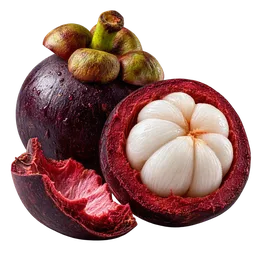
Mangosteen has not enough human research to establish a meaningful reduction in body-wide inflammation or reliable benefits across other health outcomes.
What it does
Early findings (1)
-
Less body-wide inflammation · Unclear if it helps
1 trial · 20 people · noticed in 8–26 weeks
How to take it
Mangosteen is for someone who understands they are trying an early-stage supplement, not a proven inflammation solution. The preliminary signal is worth watching, but the small human evidence base cannot yet tell you which product works, who benefits, or how meaningful the change feels day to day.1 Skip self-experimentation if gastrointestinal side effects are a concern, and get clinician guidance if you have a medical condition or use regular medicines.
How much
The limited human research on whole-body inflammation used daily oral liquid mangosteen products over several weeks, rather than a one-time dose.1 Since the finding comes from only a small evidence base and not every study found a clear benefit, there is no established target dose for inflammation support.1
When
Use the timing instructions for the specific liquid product, and treat mangosteen as a daily routine during the multiweek time frame used in research, not an occasional rescue supplement.1 Taking it with a meal is a practical starting point if it causes bloating, loose stools, or reflux, although trials do not establish a best meal timing.1
Which form
Human inflammation studies have the most direct connection to oral liquid mangosteen products. A label that simply says “mangosteen” tells you little about the part of the plant used or its xanthone content, so do not assume a capsule matches a studied juice product.1 There is not enough head-to-head research to name one extract or xanthone standardization as best.1
The dose that worked, by measure (1)
- Support lower whole-body inflammation
- 532.32 mL8–26 weeks
Who should be careful
Reported side effects
- gastrointestinal symptoms (bloating, diarrhea, gastric reflux) mild
- serious adverse events (SAE) / SUSAR
How it works
Mangosteen has a dramatic purple rind and a bigger marketing reputation than its human research has earned. The early signal on inflammation is interesting, but the evidence is still thin.1
Mangosteen is a tropical fruit from Southeast Asia with sweet white flesh and a deep purple rind. Supplements and juices often focus on compounds in that rind called xanthones, rather than the fruit you eat fresh.1
Xanthones are plant chemicals that researchers are studying for their influence on the body's inflammatory signaling and antioxidant defenses. Think of them as traffic controllers at a busy intersection: they might change which chemical messages get waved through, but human trials have not yet nailed down whether that shift produces dependable real-world benefits.1